Leveraging Petrochemical Efficiency: Reducing Costs in High-Volume Production
The petrochemical industry is currently navigating a period of unprecedented growth. Abundant natural gas supplies are fueling a massive boom in refining and plastics manufacturing. However, this high-volume environment places immense physical strain on infrastructure. When production schedules are tight, even minor equipment failures can lead to significant financial losses.
The Challenge: The Cost of High-Cycle Strain
In large-scale petrochemical operations, refining equipment and freight-linked infrastructure operate under constant stress. High-cycle environments often lead to vibration-induced loosening of bolted joints. When a critical joint fails or leaks, the result is often an unplanned shutdown.
Beyond the immediate loss of production, these failures introduce hidden operational costs:
- Frequent manual inspections that pull technicians away from high-value tasks.
- Emergency repairs that require premium shipping costs for parts and overtime labor.
- Safety risks associated with volatile chemicals and high-pressure leaks.

The Solution: Data-Driven Bolting Protocols
To remain competitive, plants are shifting away from traditional reactive maintenance. An effective way to lower operational costs is to implement data-driven bolting protocols. This approach focuses on tracking the health of critical joints over time rather than just performing one-time torque applications.
By using smart bolting systems, facilities can ensure every bolt is tightened to the exact specification every time. Digital documentation allows for "cradle-to-grave" tracking of joint integrity, identifying trends where specific equipment may be prone to loosening before a leak occurs.

How HYTORC Technology Enhances Efficiency
HYTORC provides the specialized tools and fasteners necessary to survive petrochemical environments.
Eliminating Vibration Loosening
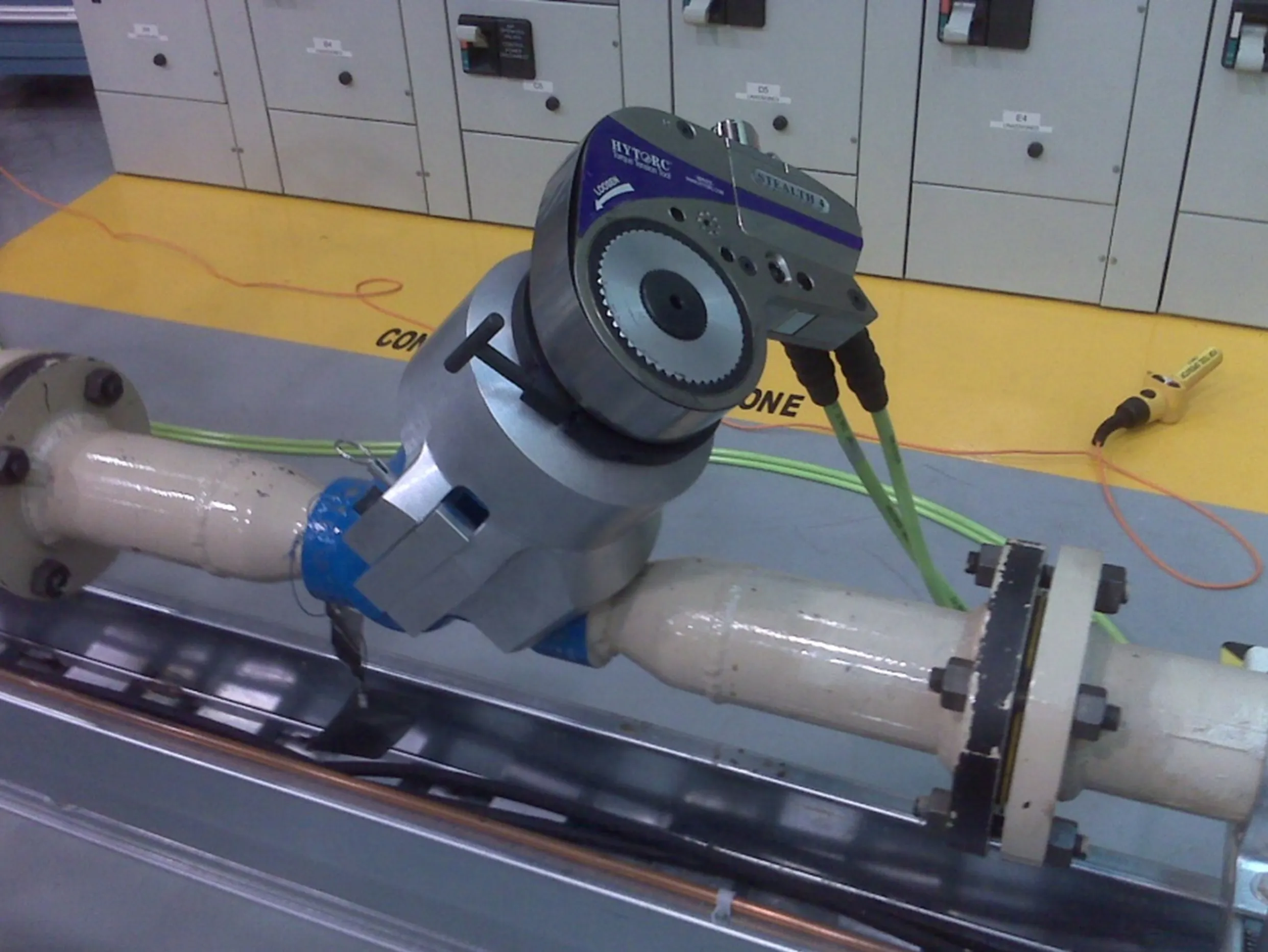
The TRUE-LOCK Reaction Washer system replaces standard reaction arms and backup wrenches. This technology provides a consistent, high-friction reaction surface that prevents the nut from turning under vibration. It eliminates the primary cause of joint failure in high-cycle refining equipment.
Digital Documentation and Precision
The LITHIUM SERIES II Electric Torque Tool offers built-in data logging. This allows operators to record measurements like the torque, angle, and date of every bolting operation. For procurement and plant managers, this data provides a verifiable audit trail that proves joints were serviced correctly, reducing the need for redundant manual inspections.
Improved Safety and ROI
By removing the need for external reaction arms, HYTORC products can eliminate pinch points, which are a leading cause of hand injuries in the field. Safer operations lead to lower insurance premiums and fewer work-stoppages.

The Benefit: Increased Production and Competitiveness
Shifting to a modernized bolting strategy reduces the hidden costs of petrochemical manufacturing. When joint integrity is guaranteed by data and superior hardware, plants experience:
- Reduced Emergency Repairs: Fewer leaks mean fewer unplanned outages.
- Lower Labor Costs: Automated data logging and faster bolting cycles optimize technician time.
- Enhanced Reliability: Equipment lasts longer when it is maintained with precision.
In a market where volume is king, the ability to keep the plant running without interruption is the ultimate competitive advantage.