Overcoming the Petrochemical Gas Squeeze: Protecting High-Cycle Refining Equipment
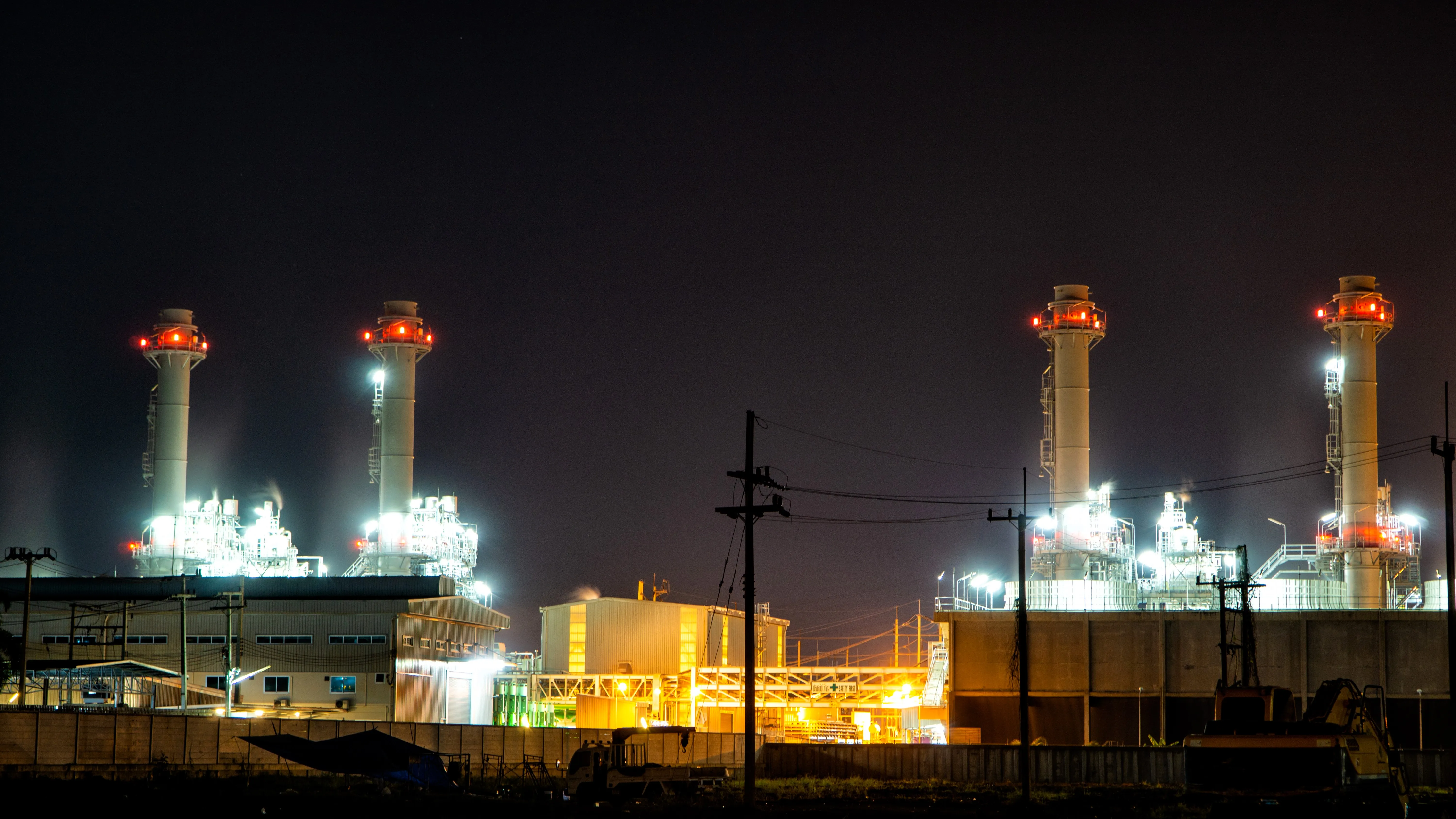
The intense bidding war for natural gas between power generation and chemical production is forcing petrochemical plants to operate at peak thermal and chemical efficiency. In this environment, refining equipment reliability is essential to protecting narrow profit margins.
When market cycles are highly competitive, unexpected downtime can devastate plant profitability. Unfortunately, the high-cycle nature of modern refining means critical components are pushed to their physical limits.
The Problem: Why Heat Exchangers Leak in Chemical Plants
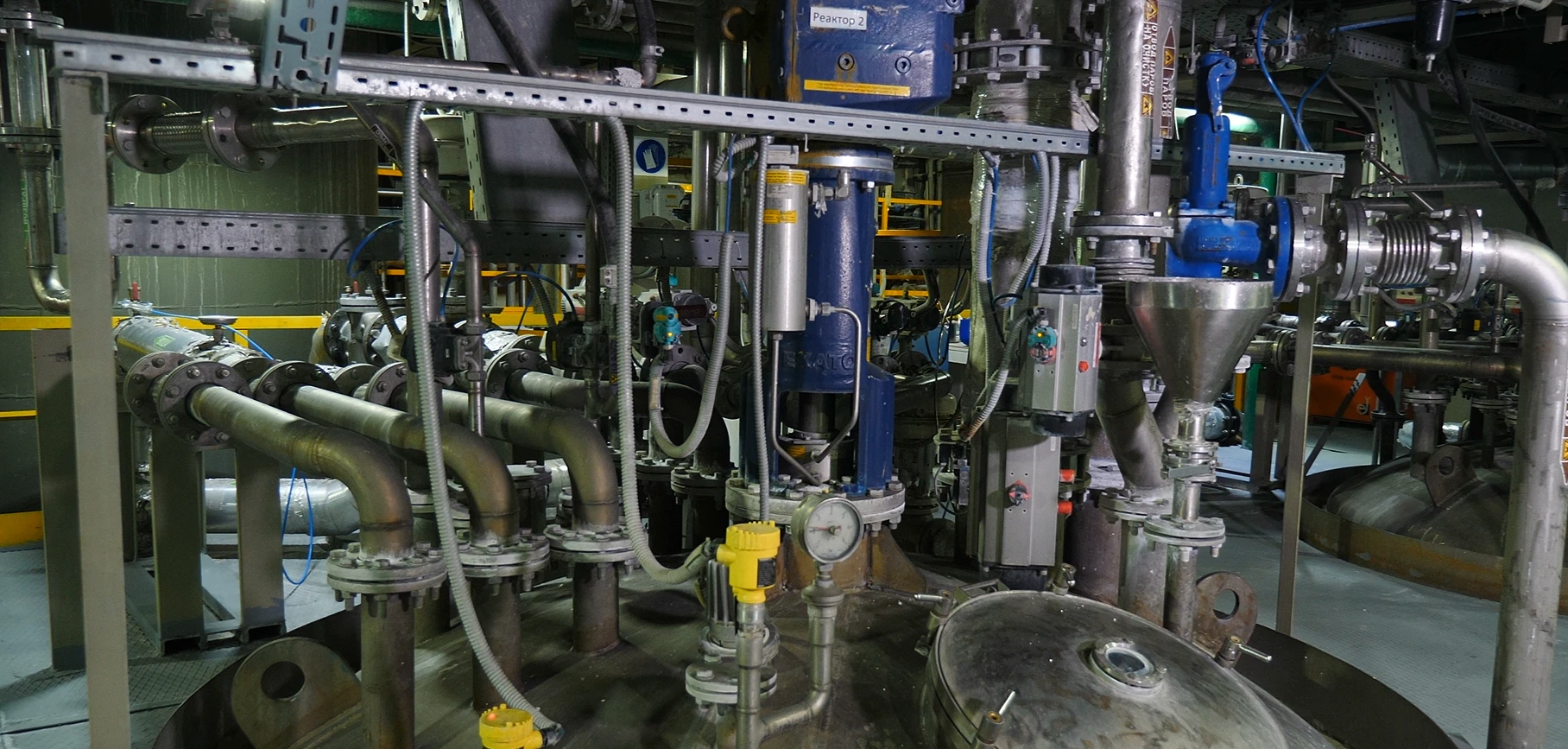
Industrial flange safety is regularly compromised by extreme thermal cycling in high-pressure heat exchangers. As plants adjust throughput to optimize efficiency, these exchangers experience dramatic temperature swings.
This constant cycling routinely leads to two main structural issues:
- Gasket Crushing: Uneven initial load application creates localized over-compression, destroying the gasket seal before operations even reach full capacity.
- Joint Relaxation: Unevenly loaded bolts slowly loosen during thermal expansion and contraction, creating a path for hazardous process fluids to escape.
- Vibration: Bolts that are under near constant vibration experience great amounts of stress. This can cause bolts to loosen and leaks to occur.
The result of any one of those is a dangerous leak, an emergency shutdown, and costly turnaround expenses.

The Solution: Standardizing Parallel Joint Closure
To prevent gasket deformation and joint relaxation, petrochemical plant maintenance teams must achieve uniform, simultaneous compression across complex exchanger flanges.
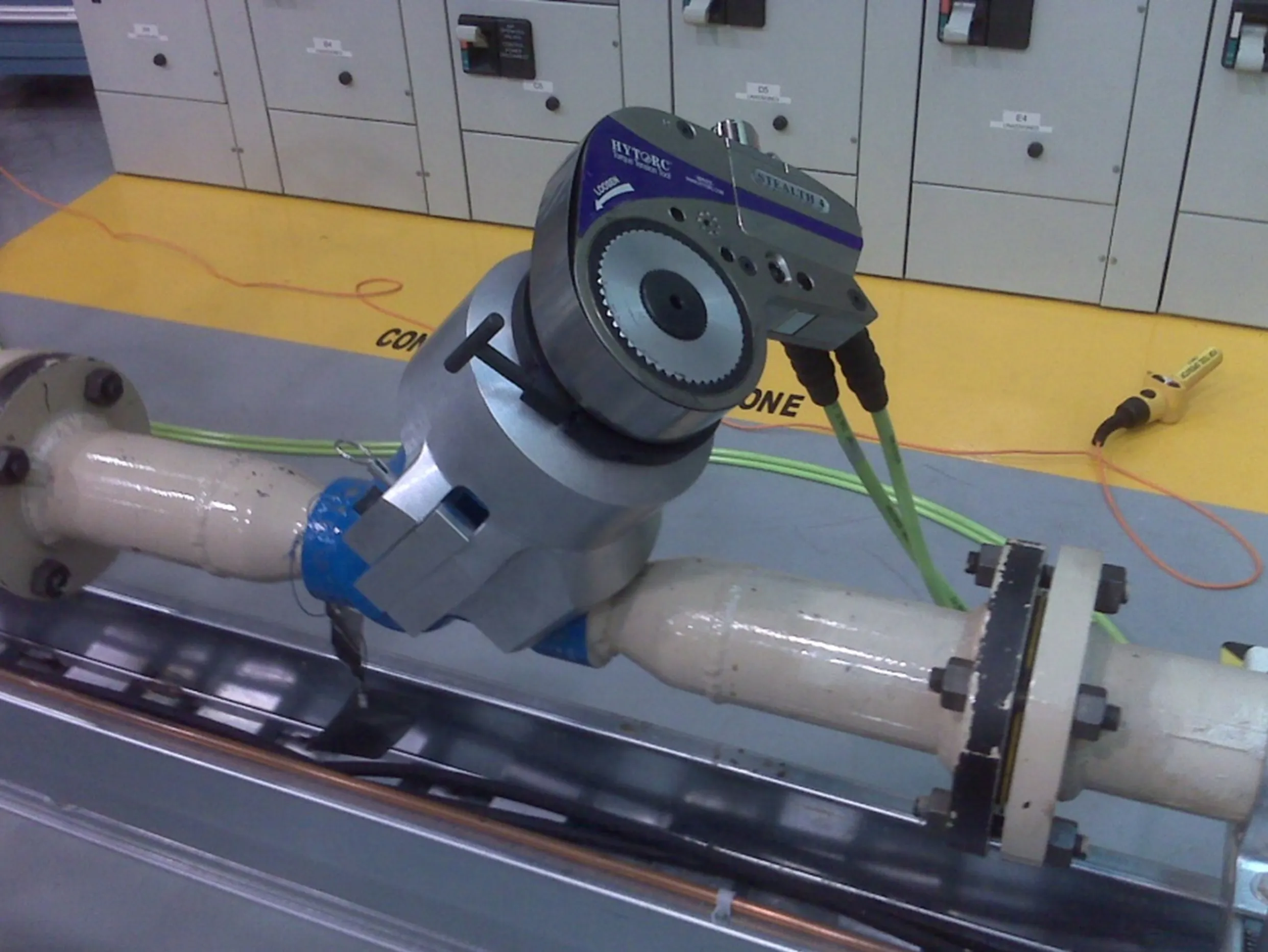
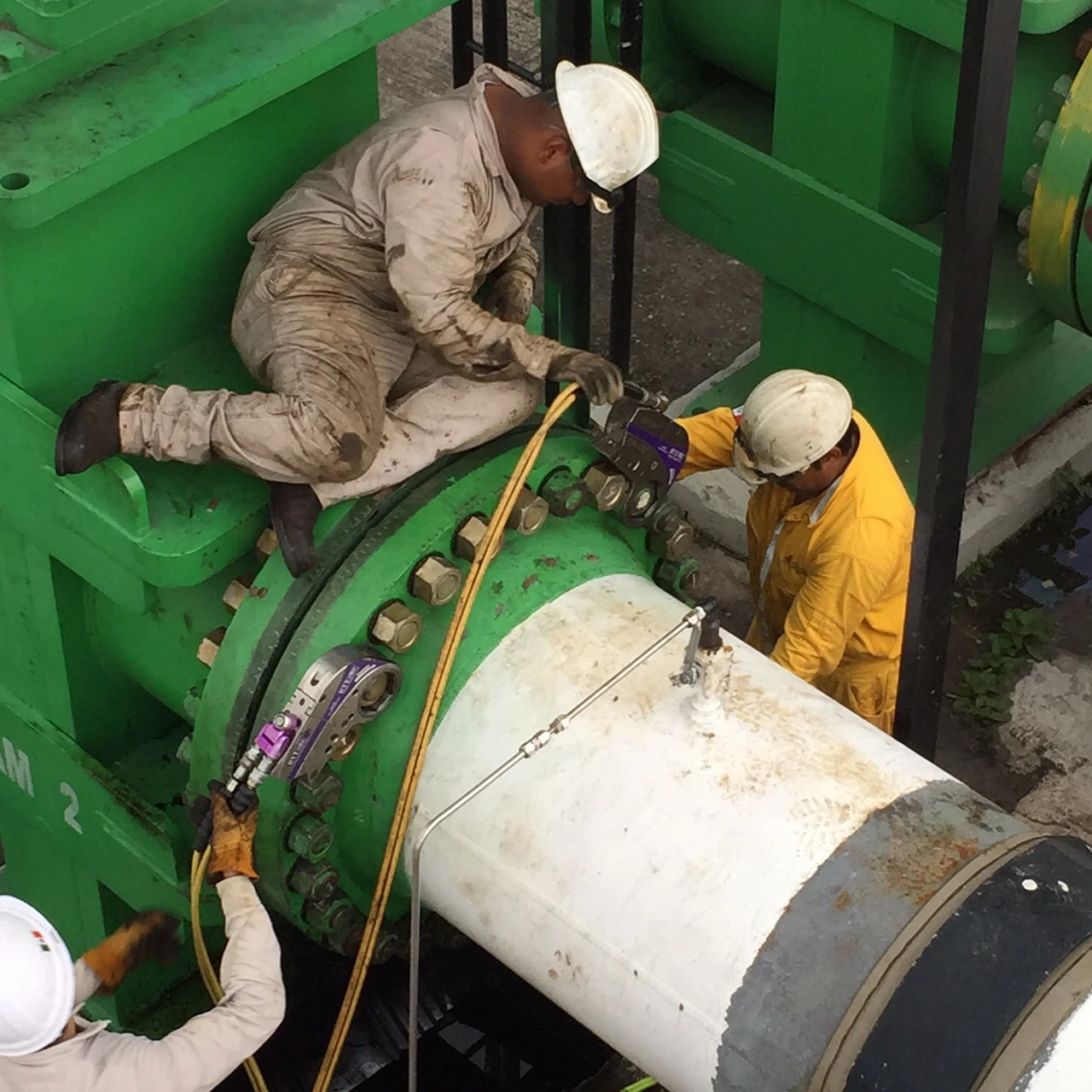
The most effective method is standardizing parallel joint closure procedures using multiple tools on one application. A best practice for this involves using hands-free Simultorc systems paired with advanced HYTORC reaction washers.
By applying equal torque to multiple positioned bolts simultaneously, this system eliminates the dynamic flange rotation and “crosstalk” that occurs during traditional star-pattern tightening. The backup wrench is eliminated, and the integrated reaction washer provides a sleek, low-profile reaction point that keeps operators entirely hands-free.
The Benefit: Eradicating Startup Leaks and Protecting Margins
By upgrading your refining equipment reliability strategy to include parallel joint closure, your plant achieves three critical outcomes:
- Minimized Leakage on Startup: Eliminating uneven compression ensures that heat exchangers seal correctly the first time, preventing hazardous emissions during startup.
- Enhanced Operator Safety: Hands-free bolting systems remove the risk of pinch points and struck-by injuries.
- unscheduled maintenance
Optimizing your industrial flange safety is the most direct way to keep your facility resilient, safe, and highly profitable.
Optimize your turnaround efficiency and eliminate heat exchanger leaks. Contact the HYTORC team today to schedule a live demonstration of our hands-free bolting systems and free survey of your facility.