Powering the AI Boom: Why Fast-Tracked Grid and Gas Infrastructure Demands Precision Bolting
AI-related data center growth is forcing US utilities and developers to fast-track natural gas turbines, substations, and battery energy storage systems (BESS) on compressed schedules. Meeting those timelines without sacrificing safety depends on the precision from hydraulic torque and tensioning tools that gets every flange, coupling, and structural connection right the first time.
What's Driving the Rush to Fast-Track US Gas and Grid Infrastructure?
Data centers run at full, continuous load, 24 hours a day, 365 days a year. AI workloads are creating more demand faster than new generation and transmission capacity can be built through normal planning cycles. Data centers could add roughly 125 gigawatts of US electric load between 2026 and 2030, pushing overall US electricity demand growth to a compound annual rate of around 4.1 percent (Utility Dive, 2026).
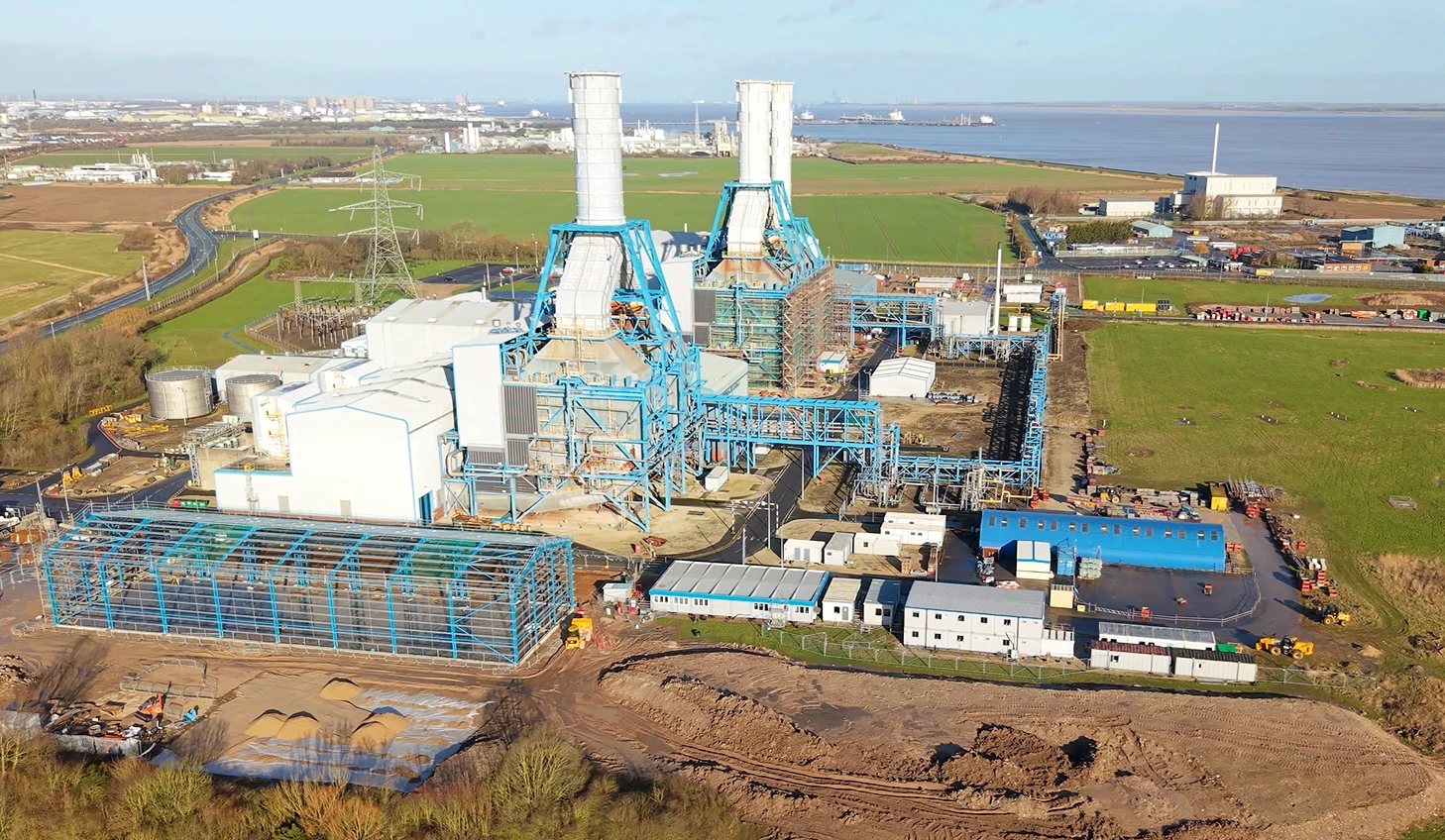
With large gas turbines largely sold out through 2030, developers are turning to on-site, behind-the-meter generation, extended coal plant operations, battery storage, and transmission upgrades to close the gap. Global orders for gas turbines reached an estimated 100 gigawatts by the end of 2025, against global manufacturing capacity of only 60 to 70 gigawatts a year (RBC Capital Markets, 2026). Developers have already announced roughly 101 gigawatts of on-site natural gas generation specifically to bypass grid interconnection bottlenecks.
For engineering and construction teams, that translates into shortened commissioning windows on new gas-fired peaker units, substation builds, and BESS installations. This will be running alongside summer maintenance outages on existing plants and there is very little slack left to absorb a failed pressure test or a rework cycle.
What Happens When Bolted Joints Fail on a Compressed Timeline?
Improper bolt load rarely isn’t always immediately apparent, which is exactly what makes it dangerous on a fast-tracked build. Inconsistent torque creates three distinct categories of risk for new gas-fired plants and grid infrastructure.
- Thermal expansion and vibration leaks. Inconsistent torque on process flanges leads to gasket failure, thermal weeping, and fugitive emissions or steam leaks once a unit is running under real load and thermal cycling. These are conditions a static pressure test cannot fully replicate.
- Costly unscheduled shutdowns. A single leaking flange caught during hydrostatic testing can delay plant commissioning or trip an operating unit. Lost generation on a commissioned asset can cost tens of thousands of dollars per hour, not per shift.
- Safety hazards under compressed deadlines. When crews are pushed to hit tight commissioning targets, manual bolting methods and using outdated reaction arms increase the risk of pinch point injuries and strain, as well as joints that pass a rushed inspection but fail in service.
Which Bolting Method Actually Holds Up on a Fast-Tracked Power Project?
Moving away from unpredictable impact wrenches and manual leverage bars toward controlled, repeatable, documented hydraulic torque and tensioning tools make it possible to hit an aggressive schedule without gambling on joint integrity. Here is how three approaches crews are using on-site compare, factor by factor.
Conventional Impact Wrenches / Manual Leverage Bars
- Torque control: Operator-dependent, with greater potential for variation in applied torque
- Reaction / pinch-point risk: Impact forces, manual leverage and uncontrolled movement can increase operator exposure
- Confined-space access: Tool length, leverage requirements and available swing radius can restrict access
- Multi-tool simultaneous tightening: Generally not practical as a controlled simultaneous bolting process
- Documentation and traceability: Typically reliant on manual recording, where records are required
- Rework risk at startup pressure testing: Greater potential for rework where inconsistent bolt loading contributes to joint or sealing issues
Conventional Hydraulic Torque Wrenches
- Torque control: Controlled hydraulic torque, with accuracy dependent on the tool, pump, calibration and operating procedure
- Reaction / pinch-point risk: External reaction arms are typically required, creating reaction-force and potential pinch-point considerations
- Confined-space access: Tool positioning can be restricted by the available reaction point and reaction-arm clearance
- Multi-tool simultaneous tightening: Possible with suitable hydraulic equipment and setup, but not necessarily integrated into the standard workflow
- Documentation and traceability: Dependent on the equipment used. Conventional systems may rely on manual recording unless dedicated digital monitoring or documentation capability is provided
- Rework risk at startup pressure testing: Controlled torque can improve consistency compared with manual or impact methods, although joint outcome remains dependent on the complete bolting procedure
HYTORC Controlled Bolting Systems
- Torque / bolt-load control: Calibrated HYTORC torque and tensioning solutions are designed to provide controlled, repeatable tightening appropriate to the selected application
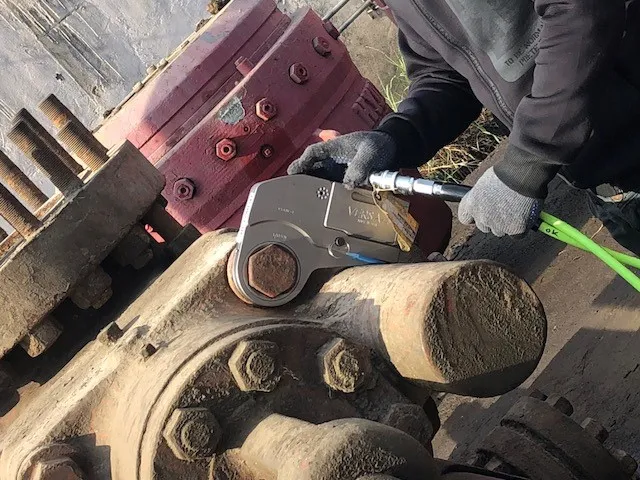
- Reaction / pinch-point risk: Compatible HYTORC torque tools can eliminate the external reaction arm when used with the HYTORC Washer or HYTORC Nut system, removing the associated reaction-arm pinch point
- Confined-space access: Low-profile tooling such as STEALTH and application-specific reaction configurations support restricted-clearance bolting
- Multi-tool simultaneous tightening: Simultorc configurations can integrate simultaneous tool operation into the bolting workflow, helping apply load more uniformly across multi-bolt joints
- Documentation and traceability: Digital bolting records can be incorporated using compatible HYTORC equipment and software, including HYTORC Connect and Bolting Manager, subject to the selected system configuration
- Rework risk at startup pressure testing: Controlled and repeatable bolt loading can reduce the risk of joint inconsistencies that contribute to leakage and subsequent rework
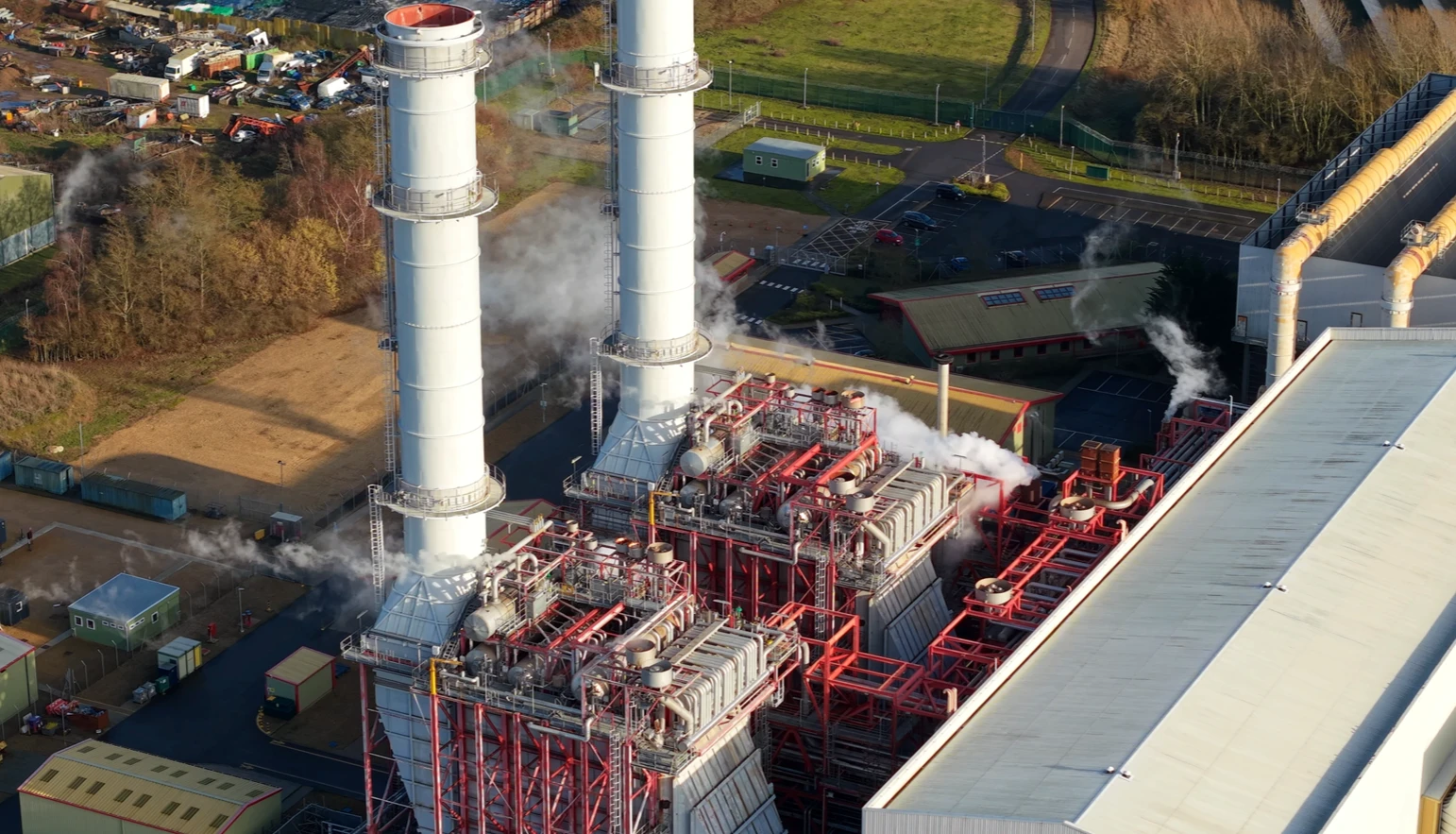
Natural Gas Generation and Turbine Installation
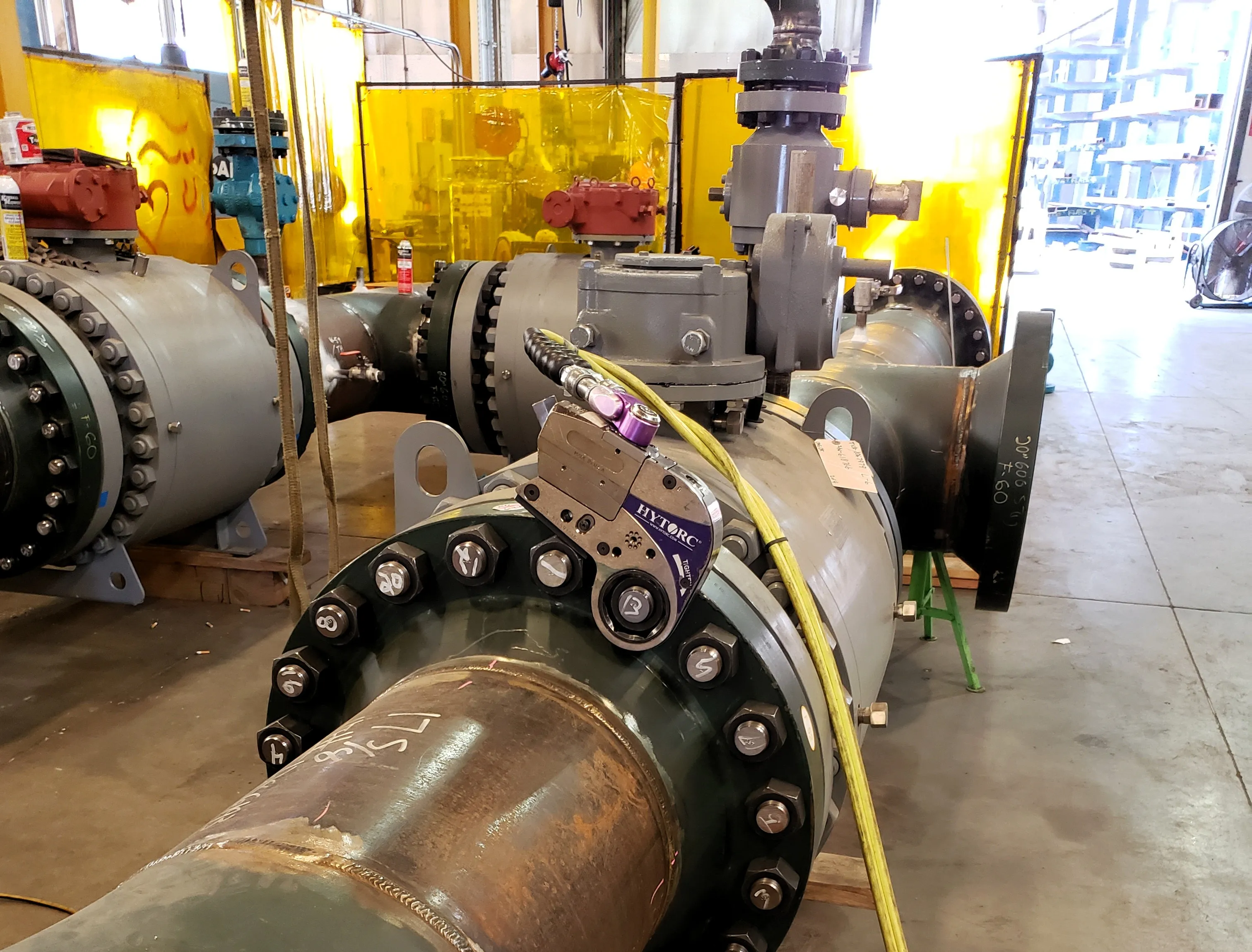
During turbine casing assembly, main steam line tie-ins, and fuel piping construction, precise load application is essential. Between HYTORC's AVANTI square-drive hydraulic torque wrench and the low-profile STEALTH tool, you have everything you need for open flange work to the tight clearances around turbine casings and HRSG piping. Typical torque values for turbine and generator couplings and large flanges typically run 500 to 3,000+ ft.-lbs. (calculated to ASME flange guidelines). ASME PCC-1 formally recognizes hydraulic bolt tensioning, alongside hydraulic torque wrenching, as an accepted method for pressure-boundary joints. It’s worth noting that applying direct axial load removes thread friction as a variable entirely on the most critical steam and fuel gas connections.
On fuel gas skids and other classified or hazardous-rated areas, hydraulic tooling remains a standard choice. Battery and electric tools need area-specific certification before they can be used there, so it is worth see confirming area classification with HYTORC before mobilizing equipment.
Substation Expansion and Grid Modernization
Connecting new power generation to the grid means installing transformers, busbar connections, and structural switchyard steel. This work typically runs on its own tight schedule alongside the build itself. Lightweight, high-output battery-powered equipment, such as the HYTORC LION GUN electric torque gun and the LIGHTNING PUMP - Smart hydraulic pump, let crews move through high-volume structural and busbar bolting quickly, without trailing cords, hoses or a compressor across an active switchyard.
BESS and Balance-of-Plant
As battery storage facilities are deployed at pace to remedy data-center load spikes, teams face high volumes of structural racking, enclosure, and piping connections, often on a schedule set by the same PPA date driving the rest of the project. Bolting using properly calibrated tools like the LITHIUM SERIES II (which pairs Rundown and Torque modes with automatic logging through the HYTORC Connect App) gives commissioning teams a joint-by-joint digital record instead of a stack of paper checklists. This method makes it easy to prove that a joint was torqued correctly.
What Do Utilities, EPCs, and Asset Owners Gain From Upgrading Their Bolting Processes?
Upgrading bolting tools and methods on a fast-tracked power project pays back in these more concrete ways.
- First-time leak-free startup. Applying uniform, controlled load across every flange bolt gives the joint its best chance of passing pressure testing on the first attempt, avoiding the rework a rushed or inconsistent bolting pass invites.
- Accelerated project timelines. HYTORC advanced bolting systems have been able to cut bolting time by at least 50 percent compared with conventional methods, a margin that matters in relation to 2026 and 2027 in-service dates. HYTORC's power generation tooling has already been proven at comparable scale.
- The project: A $1 billion US hydroelectric modernization project upgrading more than 10 power-generating units built in the 1960s.
- The HYTORC solution: We supplied a customized toolset that included custom 9.5-inch sockets, with on-site engineering and customer support throughout the entire project.
- Uncompromising operator safety. Hands-free, reaction arm-free bolting keeps technicians' extremities out of the line of fire during high-torque operations. This cuts pinch point exposure and OSHA-recordable incidents during exactly the high-intensity conditions that push crews toward shortcuts.
- Verifiable quality control. Paired with the HYTORC Connect App, modern bolting systems automatically log data such as torque value, sequence, and job metadata. This data is exportable, giving developers, EPCs, and inspectors an audit-ready record that every bolt was tightened to specification, without relying on a signed paper checklist.
- Why are AI data centers driving demand for new natural gas power plants? Data centers run at full, continuous load year-round, and AI workloads are pushing electricity demand up faster than new grid capacity can be built. Data centers could add roughly 125 gigawatts of US electric load between 2026 and 2030 alone (Utility Dive, 2026). Developers have already announced more than 100 gigawatts of on-site natural gas generation specifically to bypass those delays (RBC Capital Markets, 2026).

Frequently Asked Questions
What's the difference between a hydraulic torque wrench and a hydraulic tensioner?
Hydraulic torquing and hydraulic bolt tensioning are two methods for tightening bolted flange connections. Torque wrenches generate bolt load by rotating the nut, while tensioners stretch the bolt directly for more accurate preload. ASME PCC-1 recognizes both methods for flange assembly.
Are battery or electric torque tools safe to use in classified hazardous areas at gas plants or BESS sites?
Not automatically. Fuel gas skids, certain BESS enclosures, and other classified or hazardous-rated locations require tools that are approved for the area's specific classification. Standard battery-operated equipment does not typically carry these ratings and may not be suitable for use in these environments, although that may be changing soon. Hydraulic torque wrenches and tensioners remain a popular choice in confirmed classified zones. Site engineering should confirm the area classification before specifying battery or electric tooling for a given location.
How much faster is hydraulic bolting than manual or impact wrench methods?
Results vary with joint size and bolt count, but HYTORC tensioning and controlled-torque systems have been demonstrated to cut bolting time by at least 50 percent compared with conventional manual or impact wrench methods, while also improving joint integrity and reducing rework at startup.
Does HYTORC provide on-site support for fast-tracked power infrastructure projects?
Yes. HYTORC pairs our hydraulic, electric, and pneumatic torque and tensioning systems with on-demand equipment rental, on-site and mobile calibration, HY-CARE service plans, and HYTORC Bolting Academy training, backed by a worldwide authorized repair network and a hassle-free warranty. This means a project team can scale tooling for a construction push without committing to permanent capital purchases.
If your gas, grid, or BESS project is running against a 2026 or 2027 in-service date, the next step is a HYTORC bolting assessment before the first flange goes together, not after a failed pressure test. Talk to HYTORC about tooling, training, and rental support for your next fast-tracked build: hytorc.com/power-generation call 1-800-FOR-HYTORC (1-800-367-4986), or message us.

Content developed by the HYTORC Technical Content Team in consultation with HYTORC's technical specialists. All product specifications and torque ranges reflect current HYTORC product documentation. For site-specific or hazardous-area bolting recommendations, contact HYTORC directly.