ASME PCC-1 Flange Assembly Series | Part 2: Tightening Sequence - Multi-Pass Bolting and Safe Hydraulic Tool Operation
Before continuing, you may want to read Part 1: ASME PCC-1 Flange Assembly: Inspection, Preparation and Hydraulic Torque Tool Selection for the joint preparation and target torque steps that come before sequence execution.
Why Does Bolt Tightening Sequence Matter Under ASME PCC-1?
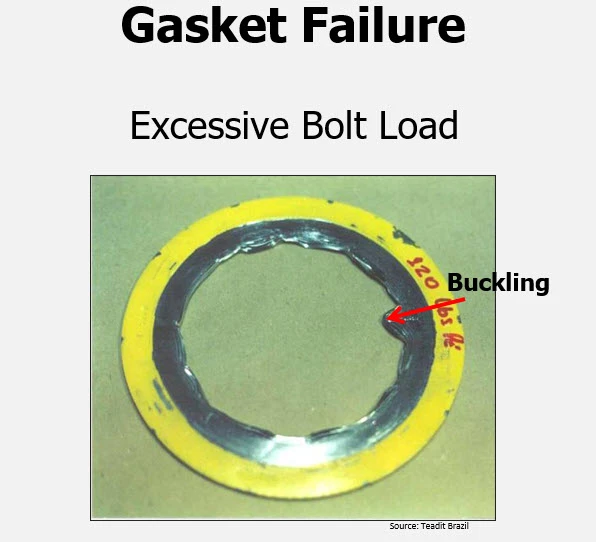
Bolt tightening sequence matters because loading one fastener changes the load in the bolts around it, a behavior PCC-1 describes as elastic interaction. A controlled multi-pass cross-pattern progressively seats the gasket and redistributes bolt load around the flange, helping reduce uneven compression and the resulting risk of leakage, gasket extrusion, or blowout.
Studies in industrial bolting consistently show that elastic interaction can reduce bolt load in adjacent fasteners by 10 to 30% per pass. This makes multi-pass sequential tightening essential for joint reliability.
This phase of the guide moves from the standard single-tool sequence into multi-tool tightening, hydraulic tool safety, and restricted-access operation.
How to Implement the PCC-1 Tightening Sequence
What Is the PCC-1 Multi-Pass Tightening Sequence?
ASME PCC-1 uses incremental torque loading across a structured series of passes rather than applying full target torque immediately. For a single-tool method, the joint is tightened progressively in a star or cross pattern before final circular verification passes are completed at 100% target torque to equalize remaining load variation.
- Assembly Pass: Hand-tight up to 20% target torque applied in a star/cross pattern.
- Objective: Align flange faces and establish a uniform perimeter gap.
- Pass 1: 20% to 30% target torque applied in a star/cross pattern.
- Objective: Initiate controlled gasket seating.
- Pass 2: 50% to 70% target torque applied in a star/cross pattern.
- Objective: Intermediate loading phase to manage elastic interaction.
- Pass 3: 100% target torque applied in a star/cross pattern.
- Objective: Full target torque application across all studs.
- Pass 4: Check pass (also known as a ringer pass). 100% verification pass applied in a continuous circular pattern.
- Objective: Equalize remaining load variations around the circumference.
- Pass 5 (Optional): 100% final confirmation pass applied in a continuous circular pattern.
- Objective: Ensure no further nut rotation occurs under full load.
Apply the cross pattern at every incremental pass, not only during the final tightening round. Each pass progressively seats the gasket and redistributes bolt load before the final circular verification passes are used to equalize remaining variation around the joint.
How Does Multi-Tool Tightening Work Under PCC-1 Appendix F?
PCC-1 defines alternative tightening patterns for teams deploying multiple hydraulic wrenches simultaneously (also called Simultorc). Multi-tool approaches deliver two significant benefits: reduced total assembly time on large-diameter flanges and improved gasket load uniformity through balanced force distribution around the joint.
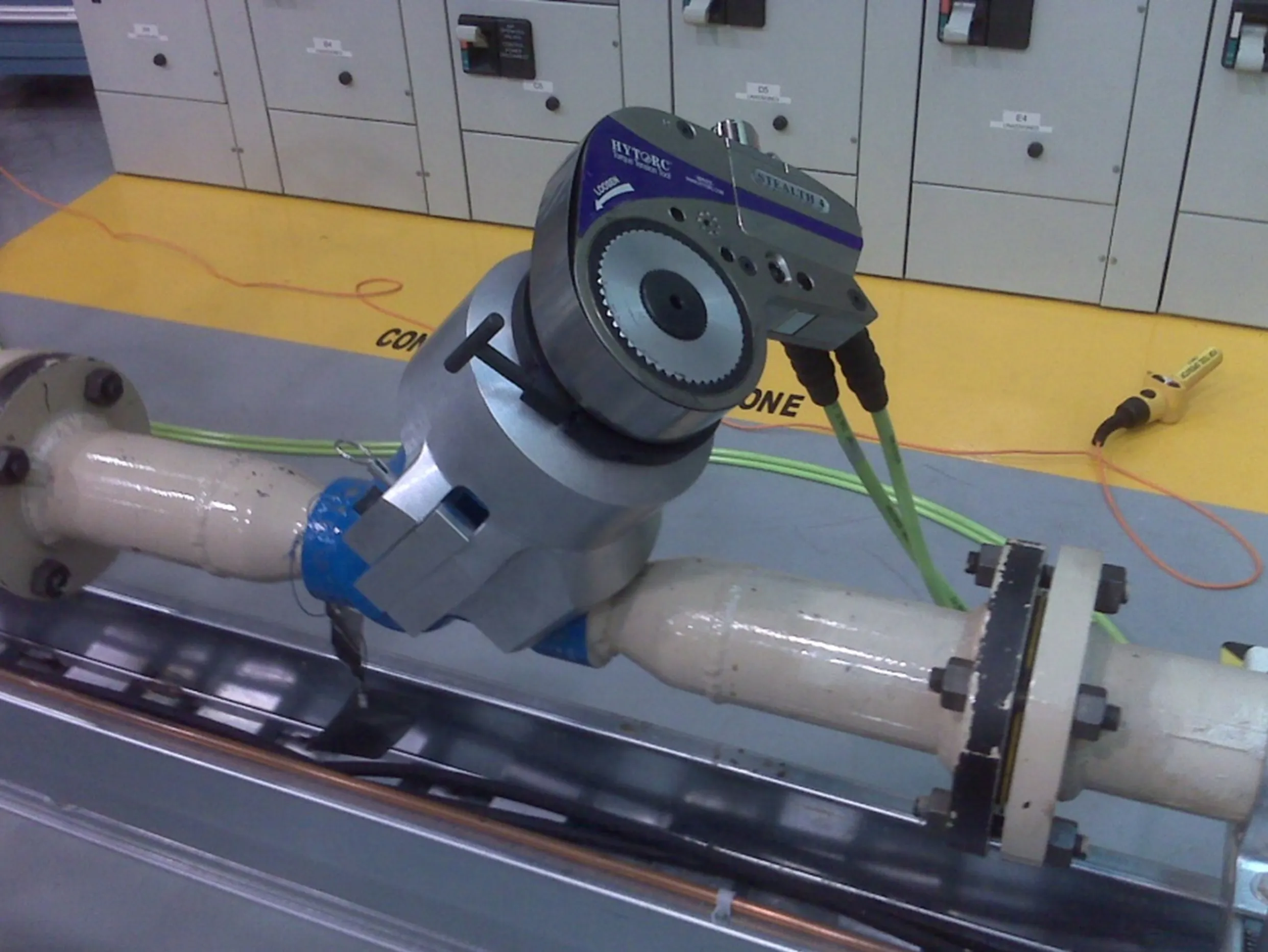
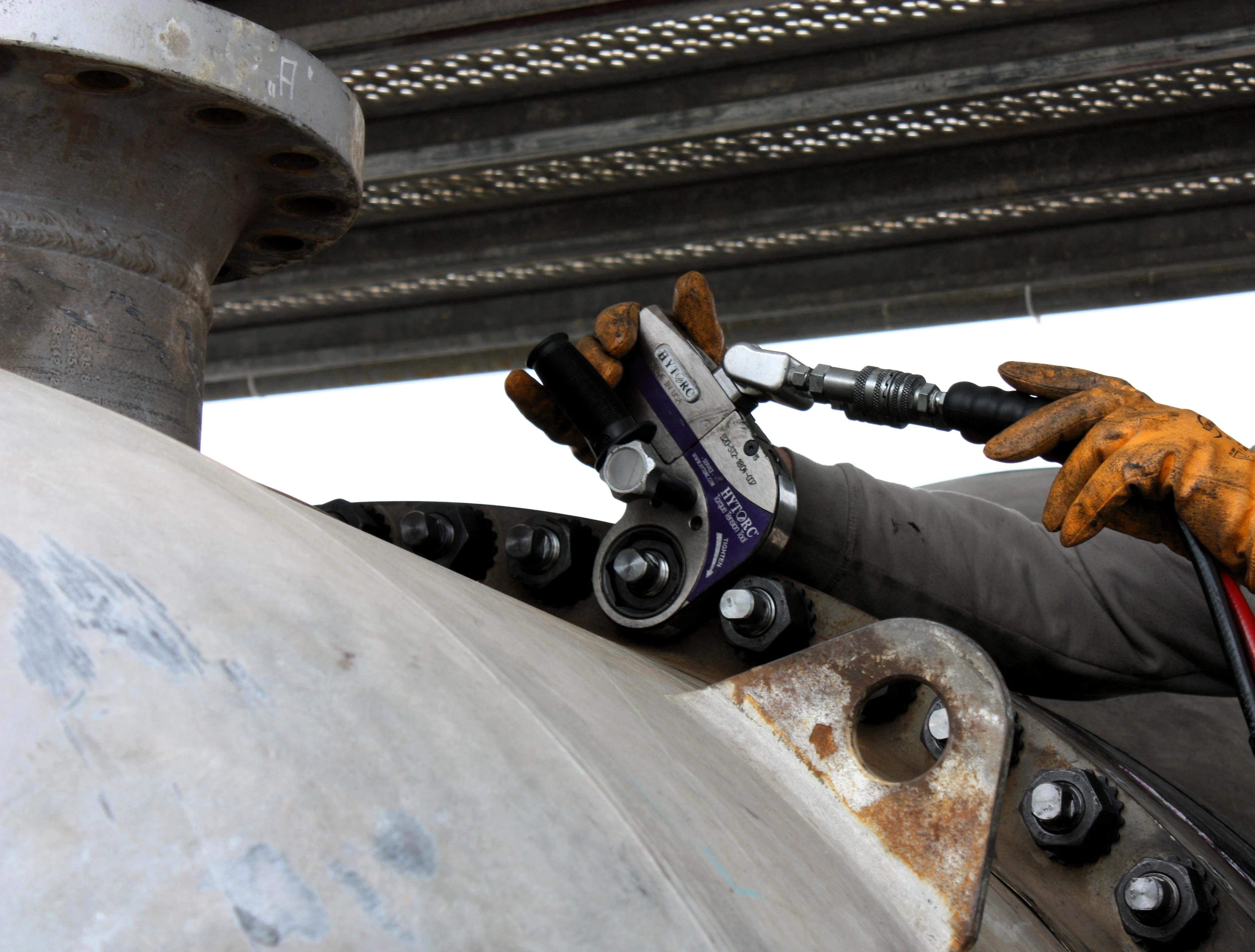
The HYTORC Solution: The HYTORC MXT+ and STEALTH hydraulic -torque tools are engineered for synchronized multi-tool deployment, also known as Simultorc. On critical turnaround or shutdown projects, matched HYTORC tools operate from a single hydraulic pump to achieve simultaneous bolt load across a flange where each tool is positioned 90 degrees from the other, directly in accordance with PCC-1 protocols, drastically reducing assembly time without compromising bolt load uniformity.
How Do You Operate Hydraulic Torque Tools Safely Under PCC-1?
Safe hydraulic torque operation depends on stable tool positioning, a controlled reaction arrangement, and keeping operators clear of the reaction path throughout each tightening pass. Where the tooling setup removes the need for an external reaction arm, the associated pinch-point exposure can also be removed from the flange assembly process
The HYTORC Solution: Tools operated with the HYTORC Washer and HYTORC Nut systems don’t require an external reaction arm. Reactive torque is transferred directly into the fastener stack. This eliminates one of the most common sources of bolting injuries and torque measurement error in hydraulic wrench operations. On critical pressure vessel flanges, the elimination of reaction arm pinch point hazards represents a major improvement in assembly safety and ergonomics.
How Do You Torque Flanges in Confined or Restricted-Access Areas?
In confined or restricted-access areas, the torque tool must fit the available geometry without forcing the wrench into an unstable position or obstructing surrounding equipment. Low-profile hydraulic tooling can provide access where standard square-drive tools cannot be positioned correctly, particularly around adjacent pipework, structural steel, insulation, or process equipment.
The HYTORC STEALTH's slim-profile powerhead and 360°/180° Uniswivel hose connection let you orient the tool in almost any plane. This provides full torque capability in confined configurations without compromising accuracy or safety.
After completing your tightening passes, the final step is ensuring long-term joint integrity. Check back soon for the next piece in the series, Part 3: Joint Verification, Digital Records, and Technician Training, to learn how to satisfy PCC-1 documentation standards and maintain tool compliance.
Eliminate Pinch Points and Accelerate Flange Assembly
Executing PCC-1 multi-pass sequences does not have to slow a shutdown schedule. HYTORC hands-free washer systems and synchronized hydraulic torque tools are designed to support controlled flange assembly while reducing reaction-arm pinch-point exposure. Schedule an on-site demonstration to see how your crew can eliminate pinch-point hazards while achieving uniform bolt load.
Next in the series: Part 3: Joint Verification - Digital Records, Calibration and Personnel Qualification.