ASME PCC-1 Flange Assembly Series | Part 3: Joint Verification - Digital Records, Calibration and Personnel Qualification
This guide explains how to complete the ASME PCC-1 flange assembly process after tightening, including final joint verification, digital assembly records, tool calibration, maintenance tracking, and personnel qualification. It focuses on the evidence and controls that help facilities demonstrate a consistent, documented approach to pressure-boundary bolted flange joint assembly.
The post covers Phase 4 and Phase 5 of implementing ASME PCC-1-2022 standards. It’s best to read Part 1: Inspection, Preparation, and Tool Selection for Bolting and Part 2: Tightening Sequence: Multi-Pass Bolting and Safe Hydraulic Tool Operation first.
How Do You Verify Flange Joint Integrity After Final Tightening?
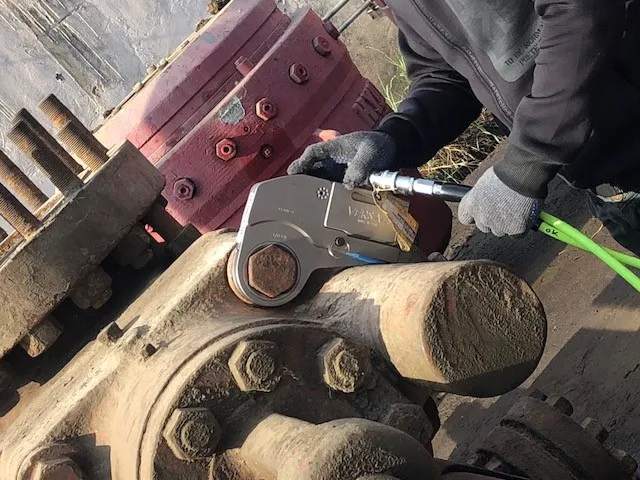
After the final tightening sequence, conduct a check pass to confirm that each fastener remains at the specified final torque. This verification helps identify remaining load variation caused by factors such as lubrication inconsistency and tool sideload before the joint proceeds to pressure testing or is returned to service.
How Do You Confirm Joint Integrity After Tightening?
Torque verification alone does not confirm joint integrity. Depending on site requirements, a hydrostatic or pneumatic pressure test can be conducted in accordance with the applicable design code and PCC-1 standards. A pressure test under service or test conditions is the definitive check that the joint is leak-free and fit for operation.
What Records Should Be Kept Under ASME PCC-1 Section 14?
PCC-1 Section 14 recommends maintaining comprehensive records for each flange joint assembly operation. Records should cover applied torque values, tightening sequences, tools used, calibration status, operator qualification levels, lubricants and gaskets used, and any recorded non-conformances. The exact documentation scope is site-specific and should align with the facility's joint integrity process.
Paper-based documentation can be time-consuming, inconsistent, and difficult to retrieve during audits across large-scale jobs.
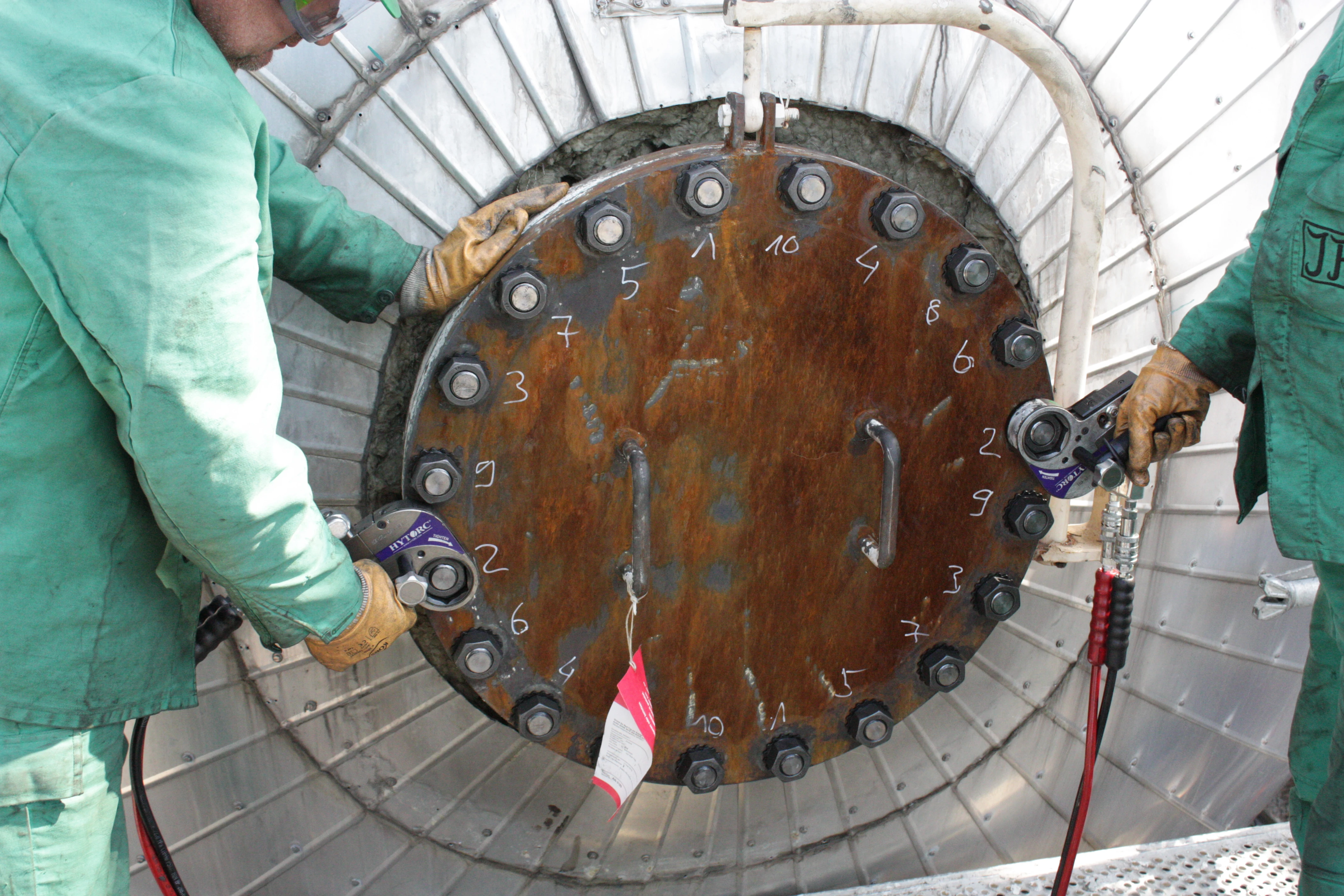
How Can Digital Bolting Records Support PCC-1 Documentation?
- HYTORC Connect App: Provides wireless, real-time data captured directly from Bluetooth-enabled HYTORC tools. Assembly supervisors can pre-load joint templates including target torque, tightening sequence, and pass increments. Operators can follow guided on-screen instructions, and job data can be exported into a report.
- HYTORC Bolting Manager: Extends digital tracking to hydraulic tool deployments via the HYTORC VECTOR pump. It enables cloud-based job template creation, multi-joint data management, and quality control reporting across entire facility scopes.
Calibration and Personnel Qualification Support PCC-1
How Often Do Bolting Tools Need Be Calibrated Under PCC-1?
PCC-1 requires tightening tools used on pressure-boundary flange joints to be calibrated, with current records maintained. The experts at HYTORC recommend calibration on an annual cycle or after every 5,000 operating cycles, whichever occurs first. Maintaining current calibration records also makes tool status easier to trace across joint assembly documentation.
The HYTORC Solution: HYTORC HY-CARE Hub provides full asset management, including calibration certificate access, service schedules and history, and automated recalibration alerts by tool serial number. Calibration data logged by authorized technicians using HY-CAL software is recorded automatically, eliminating manual record-keeping errors.
What Operator Qualifications Does ASME PCC-1 Suggest?
PCC-1 requires that work is completed by a competent bolting professional. Appendix A defines four levels of personnel qualification, ranging from general awareness and component identification through practical assembly, quality assurance, and program oversight. The appropriate level depends on the individual's responsibilities within the flange joint assembly process.
- Level 1 (General Awareness/Component Identification): Understanding and basic recognition of joint parts (bolts, nuts, flanges, gaskets, and lubrication) and general tool terminology.
- Level 2(General Pre-Assembly & Assembly): Knowledgeable of practical pre-assembly tasks like cleaning and inspection, plus gasket installation, joint alignment, and manual torque tightening.
- Level 3 (Advanced Assembly & Quality Assurance): Comprehensive knowledge of assembly requirements, correct use of specialized/manual tightening methods, and pre-, in-process, and post-assembly quality control.
- Level 4 (Program Oversight & Procedures): Advanced knowledge to develop and maintain joint assembly procedures, manage training processes, and provide program guidance.
Letting untrained people work on pressure-boundary flanges without the appropriate PCC-1 qualification level can create significant liability in the event of joint failure or emissions leaks.
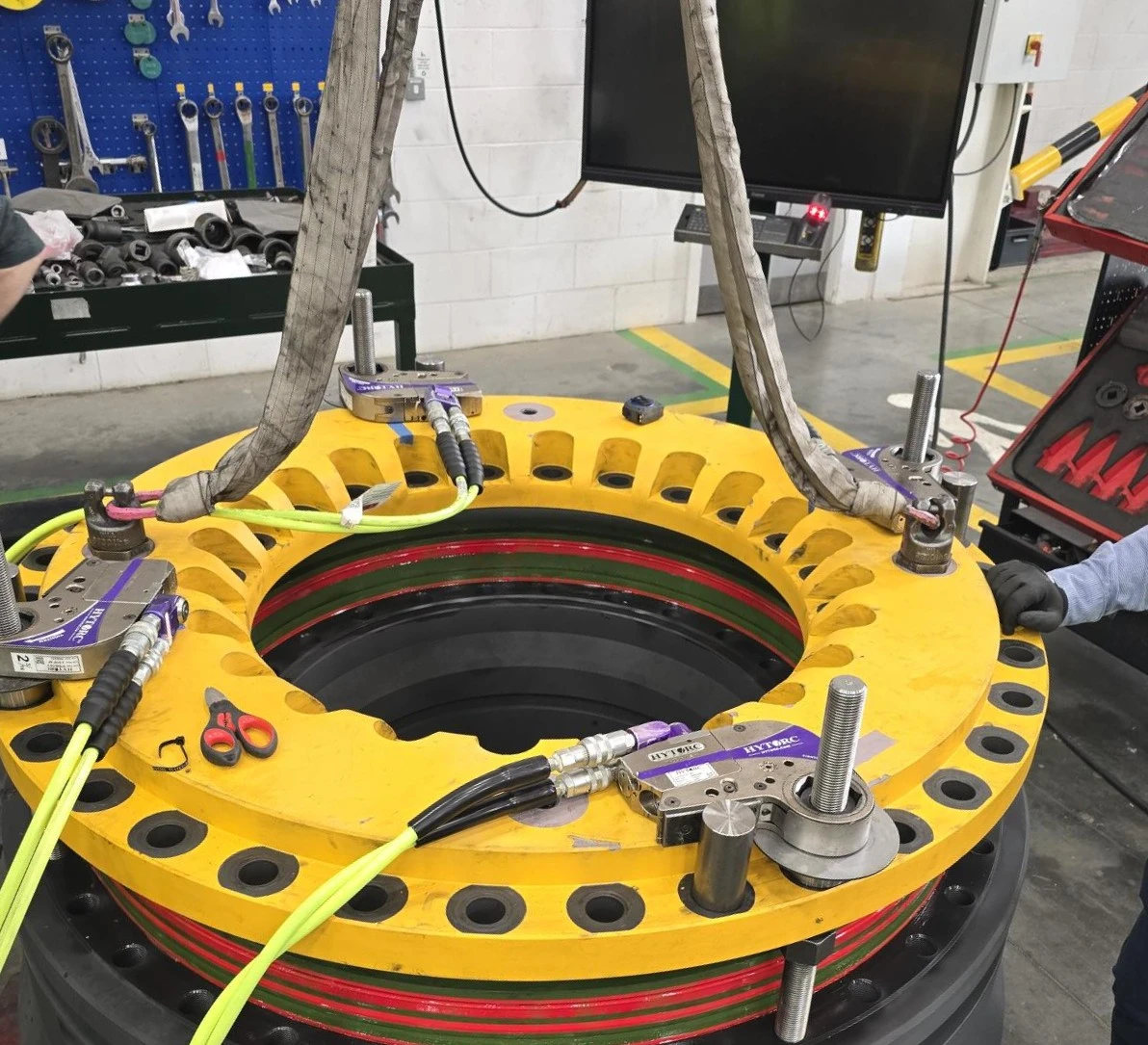
The HYTORC Solution: The HYTORC Bolting Academy offers hands-on tool training and includes HBA,TEEX/OSHA, ECITB, and ASME-certified programs. Classes cover topics including flange joint theory, bolt load fundamentals, torque and tension methods, multi-pass tightening techniques, and lubrication principles. Courses can be taught on-site, online, and at HYTORC's Joe Paul Center for Bolting Excellence.
How Do HYTORC Solutions Support ASME PCC-1 Recommendations?
HYTORC supports multiple PCC-1 assembly requirements through controlled torque tooling, digital records, calibration asset management, reaction-free fastener systems, training, low-profile access solutions, and simultaneous multi-tool tightening. The appropriate solution depends on the joint, tightening method, documentation requirements, access conditions, and the site-specific assembly procedure.
- Accurate, Repeatable Torque Application: Supported by HYTORC hydraulic wrenches featuring ±3% or better output repeatability.
- Calibrated Tools with Documented Records: Managed through HY-CARE Hub asset tracking software and HY-CAL technician calibration systems.
- Cross-Pattern Multi-Pass Tightening Guidance: Supported through HYTORC Connect App guided digital workflows.
- Safe Reaction Management Without Pinch Points: Supported by the reaction-free HYTORC Washer and HYTORC Nut fastener systems.
- Full Assembly Documentation and Joint Records: Automated through the HYTORC Connect App and Bolting Manager cloud platforms.
- Operator Qualification to Appendix A Levels: Delivered by HYTORC Bolting Academy through ASME, TEEX/OSHA, and ECITB-certified programs.
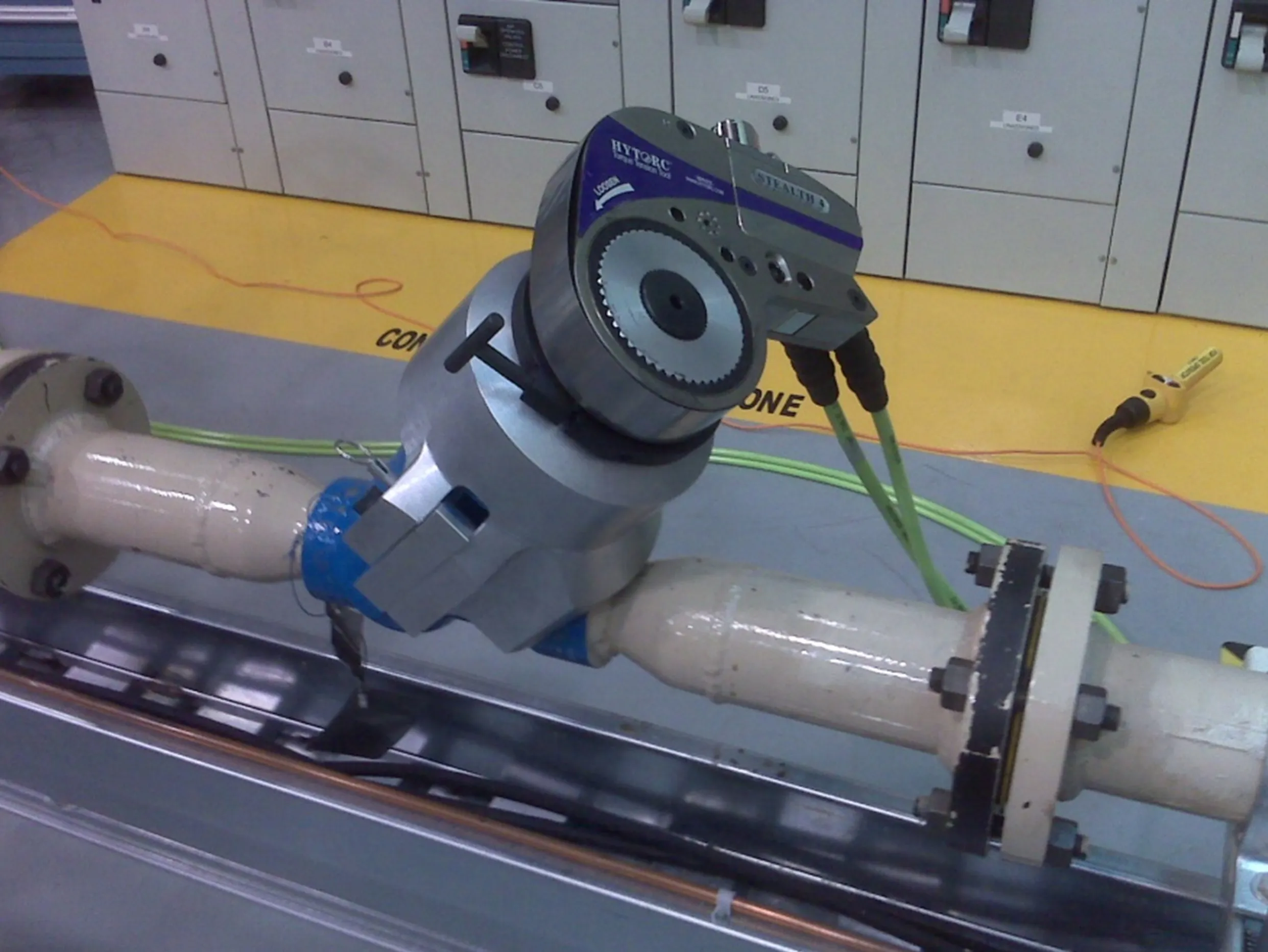
- Access in Restricted-Clearance Flanges: Supported by tools such as the HYTORC STEALTH low-profile hydraulic wrench.
- Multi-Tool Simultaneous Tightening (Appendix F): Works with any hydraulic tool as well as with shared hydraulic power units.
- Start-Up Retorque and Live Tightening Capability: Supported by HYTORC reaction-free systems compatible with hot-bolting and live tightening operations.
Which Standards Are Commonly Referenced Alongside ASME PCC-1?
PCC-1 is commonly used alongside flange, pressure-vessel, wellhead, subsea, and European flange-design standards. The exact combination depends on the equipment and service. Engineers and integrity specialists may reference ASME B16.5, ASME B16.47, ASME Section VIII, API 6A/API 17D, and EN 1591-1.
- ASME B16.5: Pipe Flanges and Flanged Fittings (NPS 1/2 through NPS 24 Metric/Inch Standard).
- ASME B16.47: Large Diameter Steel Flanges (NPS 26 Through NPS 60).
- ASME Section VIII: Pressure Vessel Design Code (Appendix 2: Bolt Load Design).
- API 6A / API 17D: Wellhead and Subsea Equipment Bolting Specifications.
- ·EN 1591-1: European Flange Calculation Methodology and Design Rules.
Don’t forget to check out the previous posts in this series
ASME PCC-1 Flange Assembly Series | Part 1: Inspection, Preparation, and Tool Selection for Bolting
Ready to Close Your PCC-1 Compliance Gap?
Fugitive emissions and unplanned shutdowns cost process facilities millions daily. Reliable, leak-free joints support operational efficiency, ROI, and site safety. A structured PCC-1 approach connects controlled tightening with verification, documented assembly records, calibrated tooling, and qualified personnel so each stage of the flange assembly process can be managed consistently.
Whether you are specifying tooling for a new facility, qualifying your bolting crew for an upcoming turnaround, or closing a compliance gap in your joint integrity management program, HYTORC offers a complete PCC-1 bolting solution.
Contact HYTORC at 1-800-FOR-HYTORC (1-800-367-4986) or visit to request an on-site demonstration or book a training session to protect your most critical assets.