Torque Tool Calibration: Why Accuracy is Crucial for Safety and Performance
Whether your torque tools are electric, pneumatic, or hydraulic, they need to be calibrated. This guide gives you the basics of torque tool calibration, its role in upholding quality and safety standards, and the best practices for keeping your tools accurate and reliable.
What Is Torque?
Torque is the rotational force used to tighten a bolt. Applying the correct amount keeps joints secure without causing damage or loosening.
What Is Calibration?
Calibration is the process of verifying and adjusting torque tools to confirm they deliver the precise torque levels specified by local bolting procedures. Improper torque application can lead to catastrophic failures, significant safety risks, and ballooning maintenance costs. Regular torque wrench calibration helps you maintain operational integrity and achieve peak performance.
Understanding What Torque Tool Calibration Entails
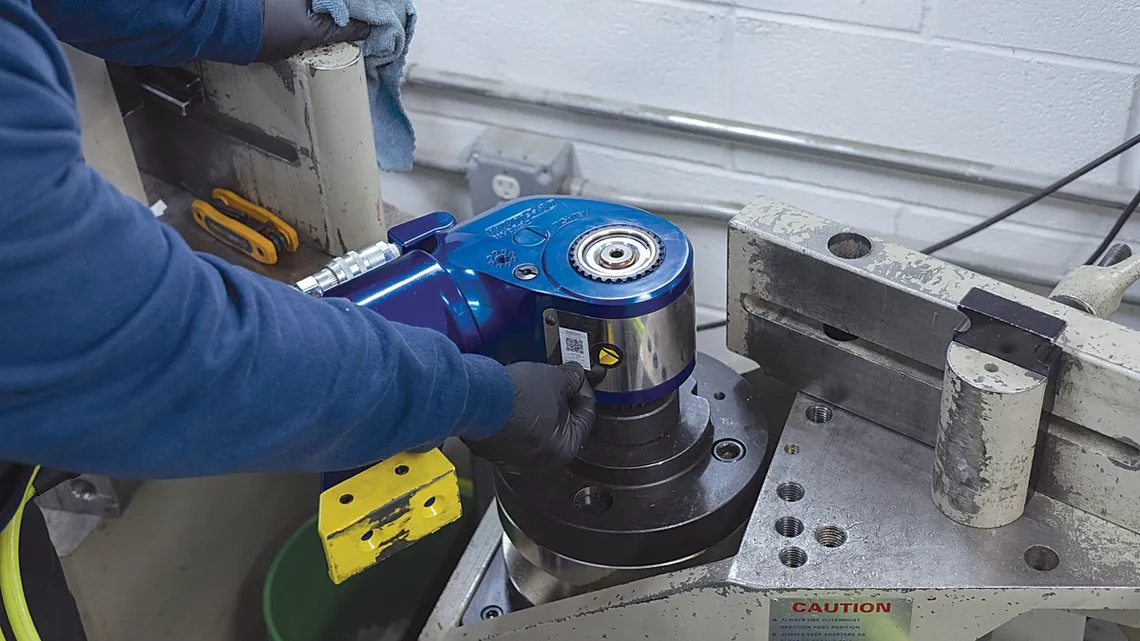
To grasp the importance of torque wrench calibration, we have to understand the process. Calibration involves measuring and adjusting a tool's output to guarantee it applies the correct turning force (torque) as intended. This is paramount on projects where assembly integrity is critical (think bridges, pipelines, buildings) by helping prevent damage and ensure operator safety.
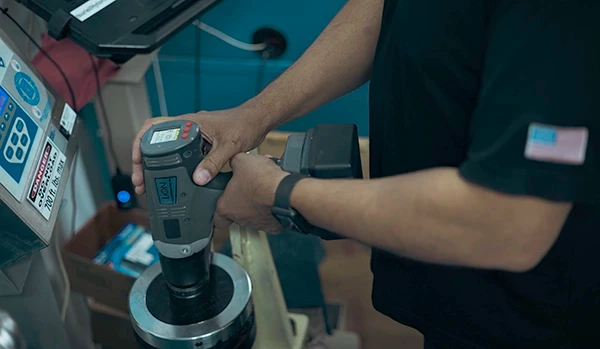
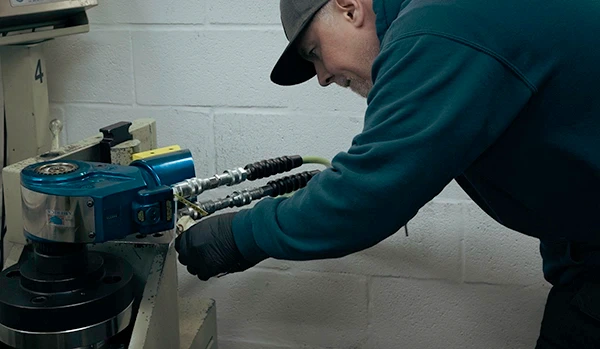
The procedure typically uses a highly accurate calibration machine to measure the tool’s output against its required specifications. Any discrepancies are corrected to meet acceptable limits. The required frequency of calibration depends on the amount of usage, operating environment, and relevant industry or project requirements.
The Critical Importance of Accurate Torque
Prioritizing accurate calibration enhances product quality and operational efficiency while minimizing the risks of costly rework. Calibration ensures precision in torque measurements, which is fundamental for maintaining the integrity of every bolted connection. This is especially critical in sectors like nuclear, aerospace, oil, and power generation, where minor deviations can cause major failures.
- Safety and Performance: Prevents both overtightening (which stresses components) and under tightening (which results in loose connections), minimizing equipment failures and accidents.
- Cost Mitigation: Inaccurate torque application can damage components, increasing maintenance expenses, and necessitating premature replacements. Regular calibration mitigates these risks and saves money.
- Quality Compliance: Ensures your projects meet stringent internal and external quality standards.
When and How Often to Calibrate Your Tools
Calibrating torque tools regularly is essential for ensuring their ongoing accuracy and reliability. While recommended intervals typically range from every few months to once a year, the required frequency depends heavily on operational factors. Regular inspection and maintenance not only ensure accurate results but also significantly prolong the tool's lifespan.
Factors Influencing Calibration Intervals:
- Frequency: Heavily used tools require more frequent checks.
- Operating Conditions: Tools used in harsh environments, exposed to extreme temperatures, or subject to vibrations may require more frequent calibration.
- Manufacturer Guidelines: Always adhere to the torque wrench calibration standard provided by the tool manufacturer.
- Signs of Trouble: Inconsistencies in torque readings, visible unusual wear, or if the tool has been dropped or impacted are immediate signs that calibration is needed.
Best Practices for Maintaining Tool Accuracy
Ensuring the highest level of accuracy requires a systematic approach to tool management and calibration.
- Proper Storage and Maintenance: Always store tools in clean, dry environments, ideally in their designated cases, to prevent damage and contamination. Conduct routine visual inspections to ensure optimal function.
- Use High-Quality Equipment: Only use certified, high-quality calibration equipment, such as digital torque testers and professional calibration machines, for precise measurements.
- Adhere to Standards: Follow a systematic calibration approach that adheres to both manufacturer guidelines and key industry standards from ISO or ASME.
- Documentation and Traceability: Always document calibration results and procedures. Detailed records, including the date, technician, and results, provide traceability and support compliance with safety and quality standards.
Compliance and The Future of Calibration
Compliance with established standards enhances operational integrity and builds trust with clients and stakeholders.
At HYTORC, we offer comprehensive calibration services to maintain tool reliability and long-term operational success. By prioritizing precision, we help industries operate safely and achieve superior quality outcomes.