Case Study: HYTORC Revolutionized Maintenance at an Indian Rail Depot
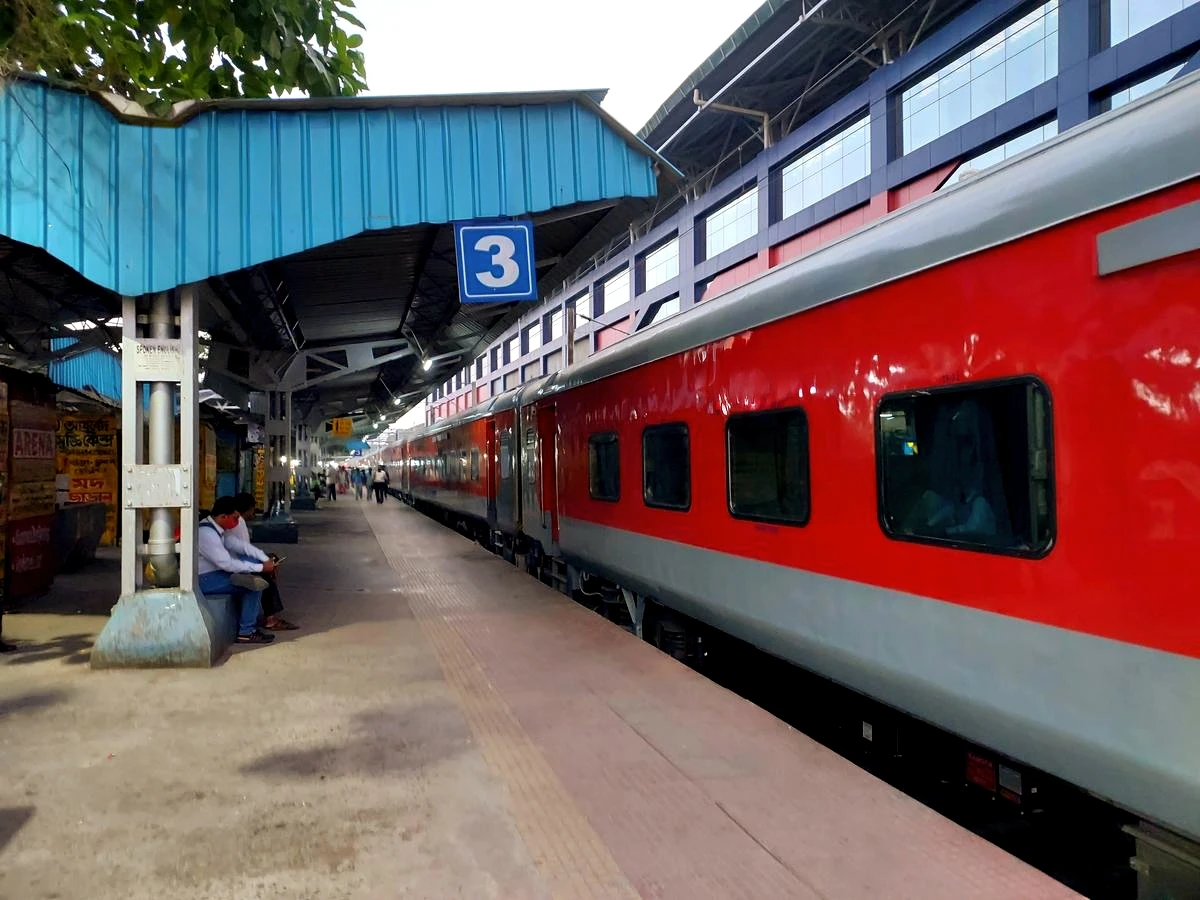
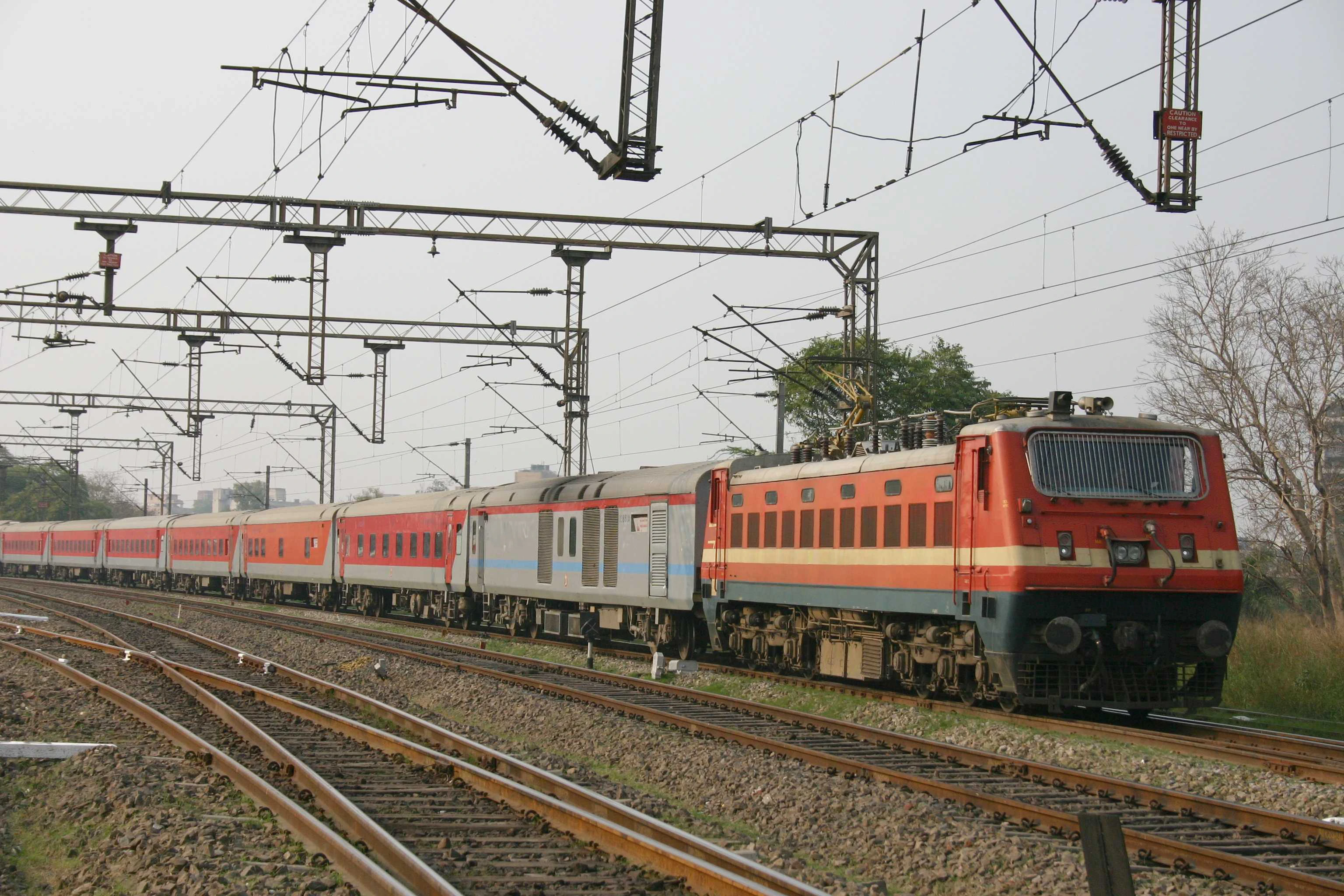
Precision and efficiency are necessary for railroad maintenance. At a rail depot in India, the maintenance team faced significant hurdles in servicing LHB passenger coaches, specifically regarding plain axle and control arm bolts.
By transitioning from outdated manual methods to using the HYTORC LION GUN battery-powered torque tool, they achieved a 50% reduction in operation time and a massive shift in workforce efficiency.
Challenge: Inefficiency and the Risk of Overtightening
The original maintenance protocol at the depot was labor-intensive and inconsistent. Staff used impact tools followed by manual tightening and checking. This "double-handling" led to several critical issues:
- Excessive Operation Time: A single coach required 4 hours of maintenance.
- High Labor Costs: The process required a team of three operators.
- Overtightening: Technicians often overtightened bolts to "match up the thread” due to fears of the bolts loosening from track vibrations, risking hardware failure.
- Physical Strain: Manual wrenches caused significant operator fatigue.
HYTORC Solution: Precision in the Palm of Your Hand
After a thorough application study, HYTORC identified the LION GUN as the ideal solution for the M16 bolts (24mm A/F) used on the coaches. The implementation addressed two key applications, both requiring precise tightening: Plain Axle Bolts and Control Arm Bolts.
The LION GUN was able to work within the inverted control arm bolt space limitations, a task that previously caused manual wrenches to tilt and slip under force.
Results: Speed, Savings, and Safety
The impact of the new system was immediate and measurable:
- 50% Faster Operations: Time per coach dropped from 4 hours to just 2 hours.
- 66% Manpower Reduction: The job now requires only one operator instead of three.
- Direct Cost Savings: Approximately $150 per operation in labor costs.
- Long-Term Durability: Proper tightening is estimated to save $500 annually by reducing the need for frequent tool replacements.
The success here has paved the way for expanded operations. The depot placed orders for more LION GUNs and additional batteries. One railway employee noted that the staff found the LION GUN “far more interesting than manual wrenches, which produced significant fatigue. The process is now seamless. Future plans include addressing higher torque applications as the depot continues to modernize its maintenance toolkit.