LNG Bolting Safety: An Essential Guide to Controlled Bolting for Structural Integrity
Liquefied natural gas (LNG) infrastructure demands precision and safety, particularly when it comes to bolted joints. Understanding how bolting works on this kind of infrastructure is fundamental to ensuring systems operate efficiently under all conditions. Neglecting bolting safety in LNG operations can lead to severe consequences, including leaks and system failures. This guide examines bolting challenges in LNG infrastructure and shares HYTORC's advanced solutions tailored for these demanding environments. Learn how accurate bolting is essential to maintaining the structural integrity of LNG facilities.
Bolting Safety in LNG Operations: Why Controlled Bolting is Essential
In the realm of LNG infrastructure, bolting safety key. Controlled bolting ensures that they are tightened to exact specifications, preventing common bolting failures in LNG systems associated with over-tightening or under-tightening. The best practices for bolting in LNG focus on enhancing reliability and minimizing risks, thereby working to safeguard operations against leaks or failures. Prioritizing controlled bolting can lead to a notable reduction in maintenance downtime and leaks, demonstrating its critical role in operational safety and efficiency.
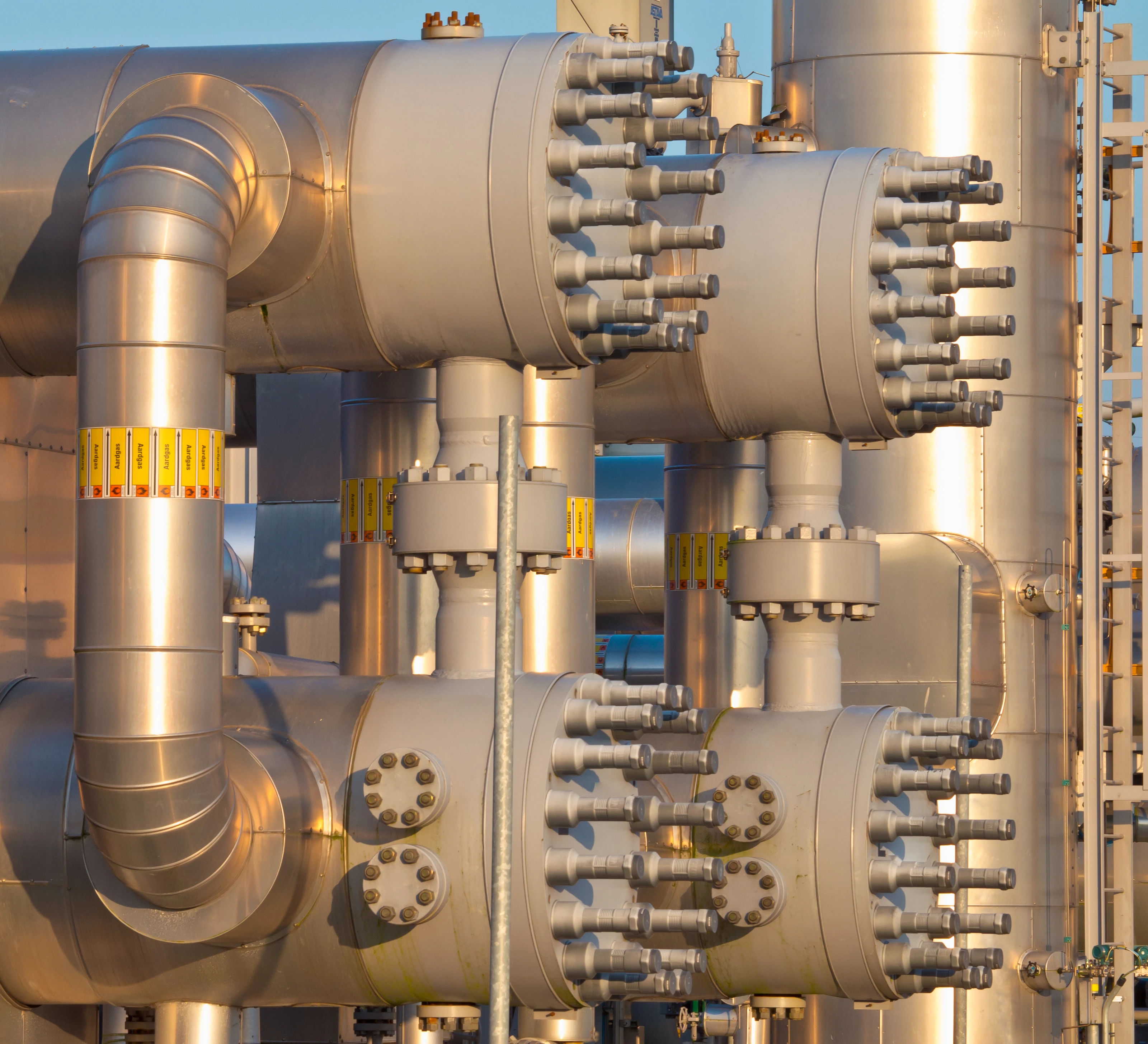
Bolting Inspection for LNG Infrastructure
LNG infrastructure is another vital aspect of safety to consider. Regular inspections and maintenance ensure bolted joints remain secure, reducing the likelihood of operational disruptions and dangerous situations. The monetary impact of overlooking these inspections can be significant, underscoring the importance of diligent maintenance practices.
Torque tools for LNG play a pivotal role in the bolting process.
Bolting inspection for LNG infrastructure involves thorough preparation and assessment. Ensuring components are clean and suitable for the application is crucial. Conducting risk assessments help identify potential challenges and ensure safety, setting the stage for selecting the right bolting tools for LNG tasks.
The Right Tools for LNG Bolting
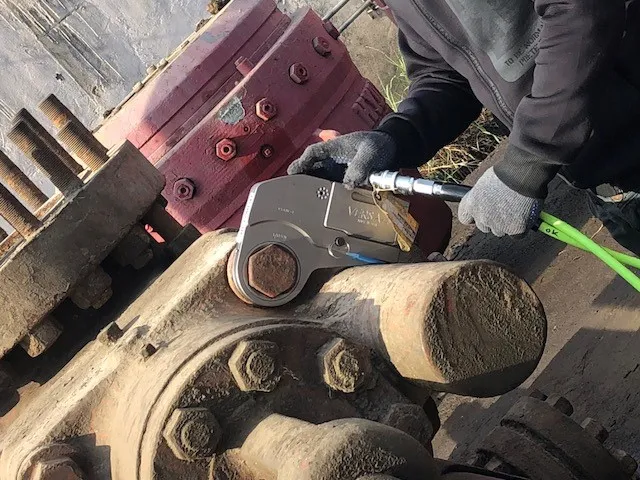
Torque tools for LNG play a pivotal role in the bolting process. Accurate torque application is essential for achieving the right amount of clamping force and joint integrity. Tools should provide precision and control, helping to prevent common bolting failures. It cannot be said enough that regular inspections and maintenance are vital for upholding bolting safety in LNG operations. Monitoring and verifying bolt integrity post-torque application ensures all bolts maintain their integrity.
HYTORC Bolting Tools for LNG Applications
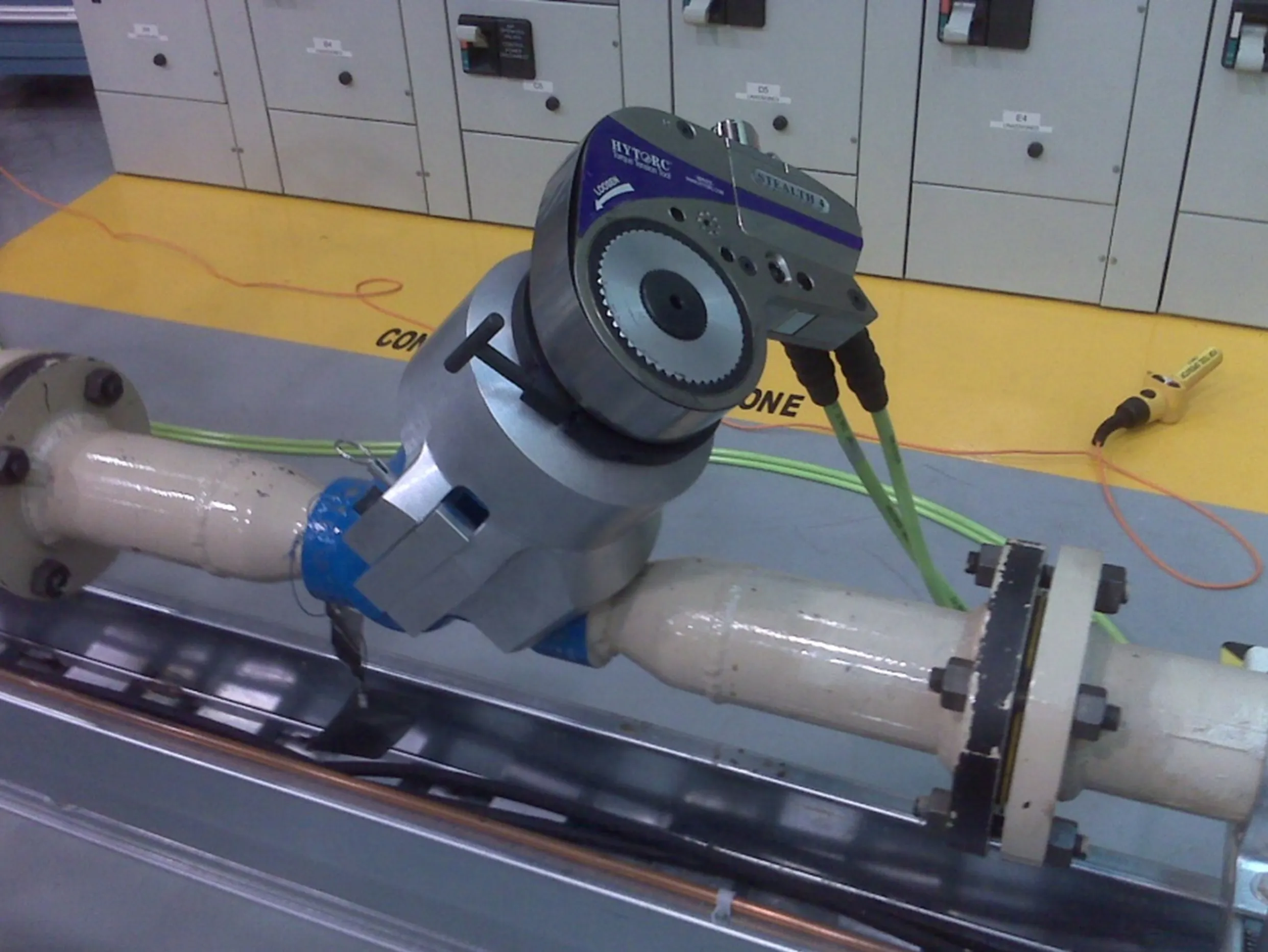
When it comes to LNG infrastructure, HYTORC's bolting tools for LNG, including hydraulic, pneumatic, and electric torque tools, provide unparalleled precision and control, making them ideal for critical bolting tasks. While our tools are designed to withstand harsh conditions typical of LNG facilities, regular maintenance is crucial for optimizing their performance and longevity.
Choosing the right torque tools for LNG bolting applications is key for achieving the best results. Our torque wrenches offer power and accuracy for high-torque applications. Understanding the unique demands of your LNG project ensures safe and efficient operations, minimizing bolting challenges in LNG infrastructure.
Contact us for an on-site bolting safety audit.