Hand-Arm Vibration Syndrome (HAVS) in Bolting: Causes, Health Risks, and Low-Vibration Solutions
Key Takeaways
- Impact wrenches expose operators to dangerously high vibration levels that can cause Hand-Arm Vibration Syndrome (HAVS), an irreversible occupational injury affecting nerves, blood vessels, and joints.
- Hand-Arm Vibration Syndrome symptoms include numbness, tingling, white fingers (Raynaud’s phenomenon), loss of grip strength, and permanent nerve damage.
- Impact wrenches frequently exceed the industry standard Exposure Action Value (EAV) of 2.5 m/s², requiring administrative controls like strict time limits and shift rotations.
- Advanced torque tools with continuous torque multipliers (such as battery-powered, electric, hydraulic, and pneumatic torque wrenches) can reduce vibration by up to 90%, with measurements below 1.5 m/s².
- Transitioning from impact wrenches to continuous power torque tools reduces HAVS risk, removes operational downtime caused by vibration limits, and improves overall bolting safety and quality.
What Is Hand-Arm Vibration Syndrome (HAVS)?
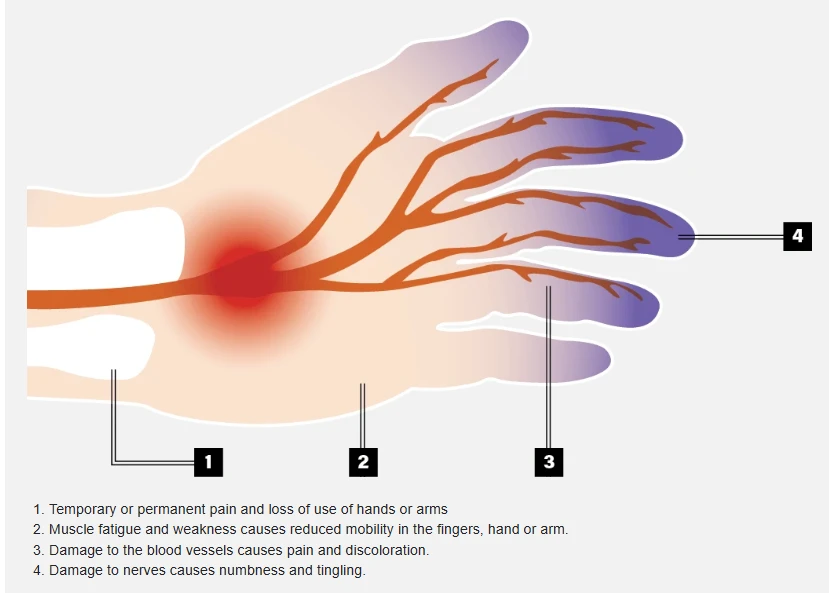
Hand-Arm Vibration Syndrome (HAVS) is a severe, debilitating condition caused by prolonged exposure to high vibration power tools. It damages the blood vessels, nerves, muscles, and joints of the hand, wrist, and arm.
Common symptoms of HAVS include:
- Numbness and persistent tingling in fingers.
- Temporary or permanent loss of feeling and/or hand dexterity.
- Discoloration of the fingers when exposed to cold, often called Vibration White Finger.
- Muscle fatigue and weakened grip strength.
- Reduced ability to perform fine motor tasks.
In severe cases, the nerve and vascular damage caused by HAVS is permanent and irreversible.
The Problem: Why Do Impact Wrenches Have a High Risk of HAVS?
Impact wrenches rely on a hammering mechanism to deliver quick bursts of rotational force. While intended for breakout, they are also often used for fast rundown. This continuous metal-on-metal impact transfers high levels of vibration directly into the operator's hands and arms.
Understanding Vibration Limits: EAV vs. ELV
Occupational safety regulations evaluate tool safety using two primary thresholds measured in meters per second squared (m/s²):
- Exposure Action Value (EAV) – 2.5 m/s²: The point at which employers must take action to control and limit worker exposure to vibration.
- Exposure Limit Value (ELV) – 5.0 m/s²: The maximum permitted daily allowance of vibration exposure. Exceeding this limit immediately places workers at higher risk for severe HAVS.
Most traditional impact wrenches far exceed the 2.5 m/s² EAV limit, with many exceeding the 5.0 m/s² ELV limit during standard use.
The Hidden Cost of Administrative Controls
When high vibration tools like impact wrenches are used, safety standards require companies to implement administrative controls. They typically include:
- Restricting operator trigger time to 10-minute intervals.
- Capping total tool use at no more than two hours per day.
- Rotating workers across different tasks to reduce continuous exposure.
- Scheduling mandatory downtime between shifts.
While these controls help protect worker health, they create operational bottlenecks, slow down turnaround times, and increase labor expenses during major maintenance turnarounds.
The Solution: Lower Vibration Torque Tools
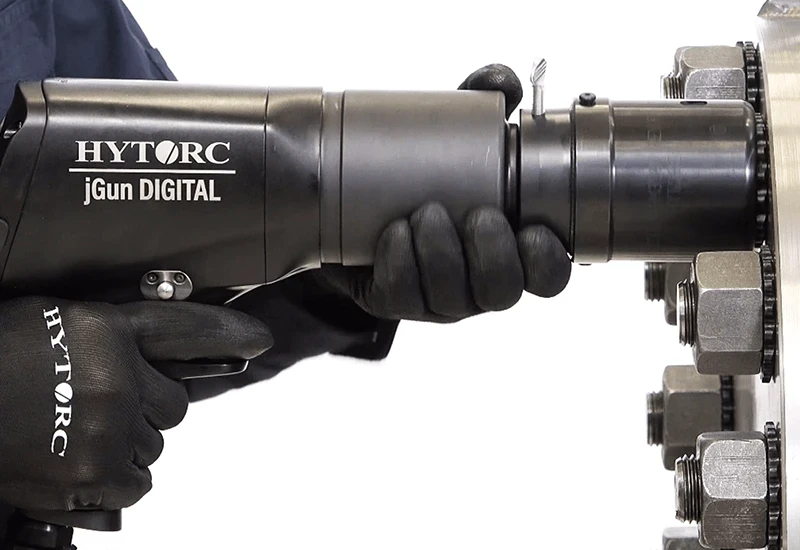
To protect crews while maintaining site productivity, facilities are replacing impact tools with continuous torque tools equipped with precision planetary gearboxes (aka torque multipliers). Unlike impact tools that hit the fastener with shock loading, they apply continuous, smooth rotational force. This fundamental design difference eliminates the hammering effect, drastically reducing vibration transfer to the user.
Battery, Electric, and Pneumatic Alternatives
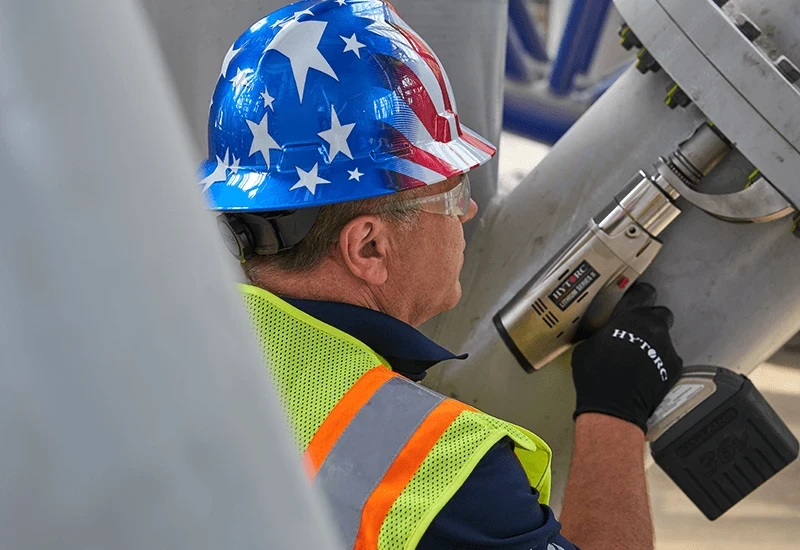
- Battery-Powered Torque Tools: Modern tools are more portable and have more consistent torque delivery without the harsh recoil or high vibration of impact guns.
- Electric Torque Tools: Designed for heavy industrial assembly, electric torque tools combine smooth motor operation with ergonomic gearboxes to keep vibration levels consistently low.
- Pneumatic Torque Tools: Continuously run air-powered tools are quieter, more efficient torque multipliers to handle high torque bolting without subjecting operators to severe impact vibrations.
Key Benefits: Improving Workforce Safety and Job Site Efficiency and Quality
Switching from high vibration impact tools to modern torque tool solutions delivers clear operational and safety benefits:
- Vibration Reduction Under 1.5 m/s²: Continuous torque tools measure vibration values well below the 2.5 m/s² Exposure Action Value (EAV), often operating below 1.5 m/s².
- Up to 10x Less Vibration: Torque tools can have as much as ten times lower hand-arm vibration compared to standard industrial impact wrenches.
- Elimination of Strict Time Restraints: Operating below the action threshold allows technicians to complete heavy bolting operations without triggering mandatory time-limit shutdowns or complex shift rotation schedules.
- Superior Joint Integrity: Smooth, controlled torque application prevents under-tightening, overtightening, thread damage, and unpredictable bolt loading commonly caused by impact hammering.
- Long-Term Risk Mitigation: Lowering daily exposure protects technicians from chronic nerve damage, reduces workers' compensation claims, and aligns facility operations with global safety standards.
FAQs: Frequently Asked Questions About Vibration Safety in Bolting
How do continuous torque tools differ from impact wrenches?
Impact wrenches use an internal hammer and anvil mechanism that delivers rapid, jarring shocks to loosen or tighten fasteners, creating intense vibration. Continuous torque tools use smooth planetary gear systems to deliver precise torque without repetitive mechanical hammering.
Can anti-vibration gloves fully protect operators from HAVS?
No. While anti-vibration gloves can dampen certain high frequency vibrations, research shows they do not eliminate the risk of HAVS, especially when operating tools that exceed maximum daily exposure limits. Eliminating the vibration source by using continuous torque tools is the most effective safety measure.
What is the lowest vibration tool option for heavy industrial bolt torquing?
Battery-powered, electric, or pneumatic torque wrenches equipped with torque multipliers are the safest options. They combine low vibration outputs (typically under 1.5 m/s²) with high torque capacity and precise load accuracy.
How Can You Upgrade Your Torque Tools to Avoid HAVS?
Protect your technicians and optimize site productivity with engineered bolting tools designed for low vibration and high accuracy. Contact our team today to request a tool demonstration or vibration risk assessment for your facility.