Why Remote Support Can’t Replace Boots on the Ground in Industrial Bolting
In an era defined by digital transformation, the promise of remote technical support has become attractive, even within heavy industry. For simple troubleshooting or minor software glitches, a virtual consultation works well. But when worker and facility safety, operational timeline, and multi-million dollar assets hinge on the precision of a critical bolted joint, a video call simply cannot compare to the assurance of a trained expert on site with you.
The bolting world operates at a different scale. It deals with tremendous forces, high-pressure systems, critical infrastructure, and harsh environments. While technology is a powerful ally—offering smart tools, data-driven insights, and even basic remote diagnostics—it is not a substitute for a human technician who can physically assess, diagnose, and fix a problem on-site. The cost of a failed gasket, a loose flange, or a misaligned component is measured in catastrophic leaks, extended downtime, and worst of all, safety risks. This is the fundamental reason why real hands-on bolting support remains indispensable.
The Critical Stakes: When Visual Inspection Isn't Enough
The primary limitation of remote support is its reliance on sight—the technician on the other end is literally bound by what your team can show them via a camera lens. In bolting getting that crucial information often needs an up close, hands-on assessment.
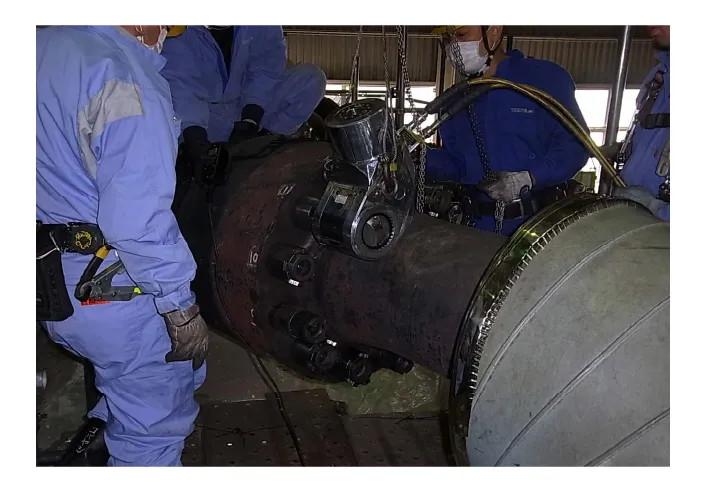
Consider a flange joint assembly. A crew member might point their phone at a hydraulic torque wrench that isn't generating the required torque. Remotely, the expert can check the pump settings and the hose connections. They might even guide the operator through a basic tool check. However, they cannot:
- Feel the Tool: An experienced repair technician can feel for any unusual movements or resistance of the tool that can indicate a deeper mechanical issue. A 2D video stream cannot transmit this tactile feedback.
- Assess Joint & Gasket Condition: Site conditions aren’t always ideal, and a blurry smartphone camera can struggle to capture the fine details of thread galling, slight surface corrosion, or a compromised gasket seal that is not fully seated. A technician on-site can confirm every component is clean, undamaged, and properly aligned before the first turn is made.
- Job Site Conditions: Is the crew working in a cramped space that prevents proper tool positioning? Is the ambient temperature or humidity affecting the tool's performance or the lubricant's efficacy? These kinds of details affect the bolting process and can only be accounted for by someone physically present.
Equipment Failure Requires Immediate, Hands-On Service
One of the most valuable aspects of having boots on the ground is the ability to maintain and repair specialized equipment instantly. A remote consultant can identify a failed hydraulic pump, a damaged hose, or an out-of-spec torque tool, but they cannot fix it.
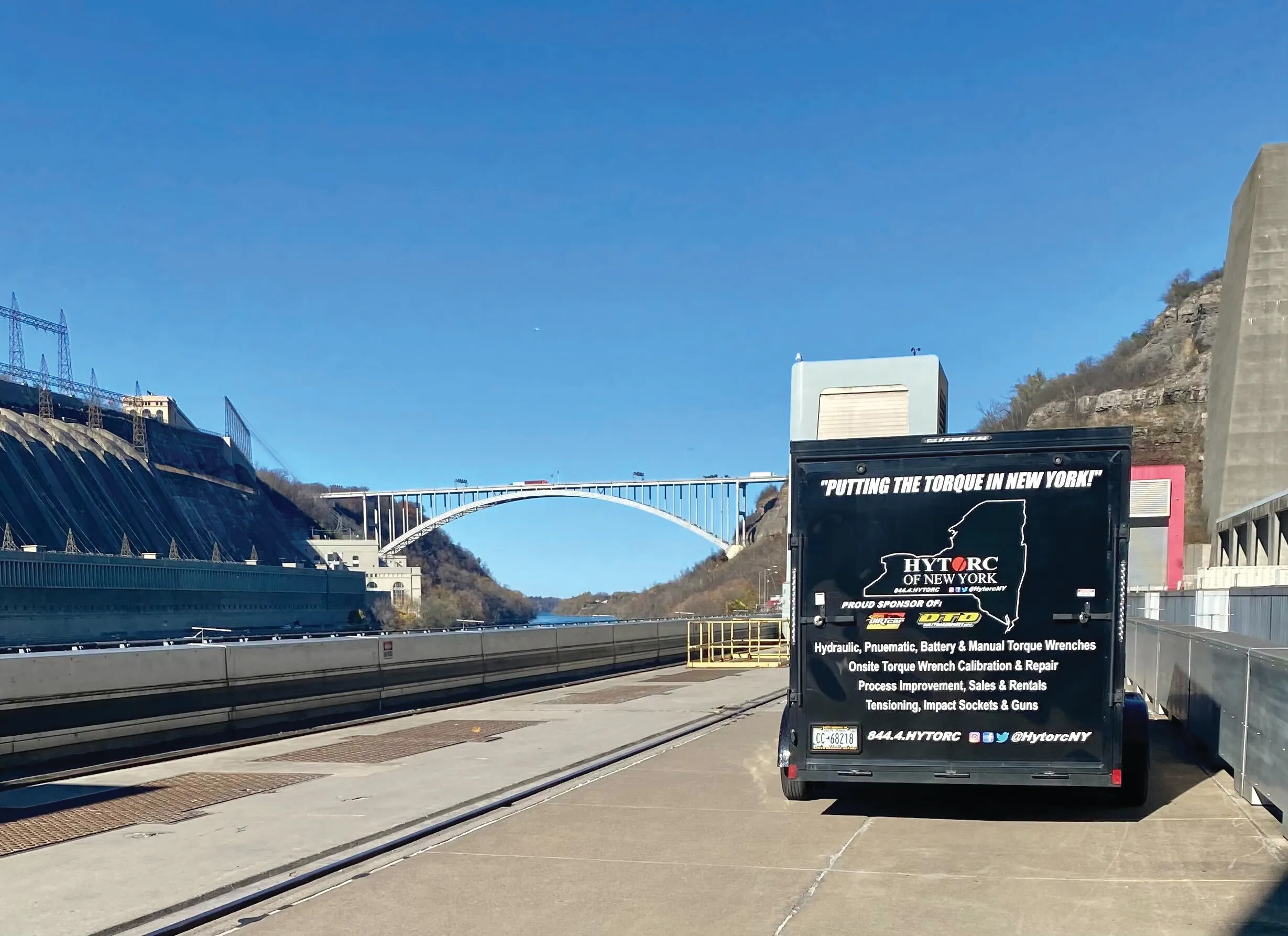
During a critical turnaround or outage, every minute of downtime is a huge financial burden. If a piece of equipment malfunctions, you need an on-site service option, like a van with a calibration lab, spare parts, replacement tools, and diagnostic gear.
For example, an on-site technician can perform an emergency, traceable tool calibration check right there at your job site. This immediate access to service and the availability of replacement equipment is the difference between a minor delay and shutting down an entire operation for days waiting for a shipment or a repair center turnaround.
Remote advice offers a diagnosis; on-site service delivers the cure.
Ensuring Process Integrity and Hands-On Training
The success of a joint is dependent on strict adherence to engineering specifications and bolting procedure compliance. A remote technician can advise on the proper cross-bolting pattern or recommend the correct lubricant, but they cannot supervise the procedure's execution with the same level of accountability as an on-site trainer.
Furthermore, the best way to train and empower a client’s crew is through hands-on training. An on-site expert can:
- Catch Mistakes in Real-Time: They can physically show an operator how to properly stabilize a tool, how to adjust the reaction point safely, or how to program a new electric tool for optimal efficiency.
- Transfer Contextual Knowledge: They provide insights that are specific to the unique piece of equipment, the environment, and the tools being used, accelerating the team’s learning curve and fostering a culture of safety and precision. This level of knowledge transfer builds long-term competence, which is essential for reducing future risks and maximizing the return on investment in advanced bolting technology.
Supplement, Not Substitute: The Future is a Hybrid Approach
Technology, including remote support, certainly has its place. It’s an excellent first line of defense, a tool for initial diagnosis, and a way to log and share data. Smart tools like those with integrated software and connectivity can feed real-time data to a remote expert, making the initial consultation more informed.
For the high-risk, high-stakes project there is simply no replacement for the physical presence, and seasoned expertise provided by a dedicated technician being there with you. Reliability, safety, and project success demand this hands-on commitment. Ensure your bolting partner understands the difference between a quick call and a comprehensive, on-site solution.