What Is Bolt Tensioning?: The Key to Safer, Longer-Lasting Industrial Connections
In industries where every connection counts, bolt tensioning is a foundation of safety, reliability, and performance. Whether managing wind turbine towers, high-pressure heat exchangers, or subsea oil and gas equipment, accurate tensioning ensures joints hold fast, preventing costly downtime, equipment failures, and safety incidents.
By mastering industrial bolt tensioning best practices, maintenance teams can extend asset life, maximize operational efficiency, and eliminate costly unplanned downtime.
What is Bolt Tensioning and Why Is It Critical?
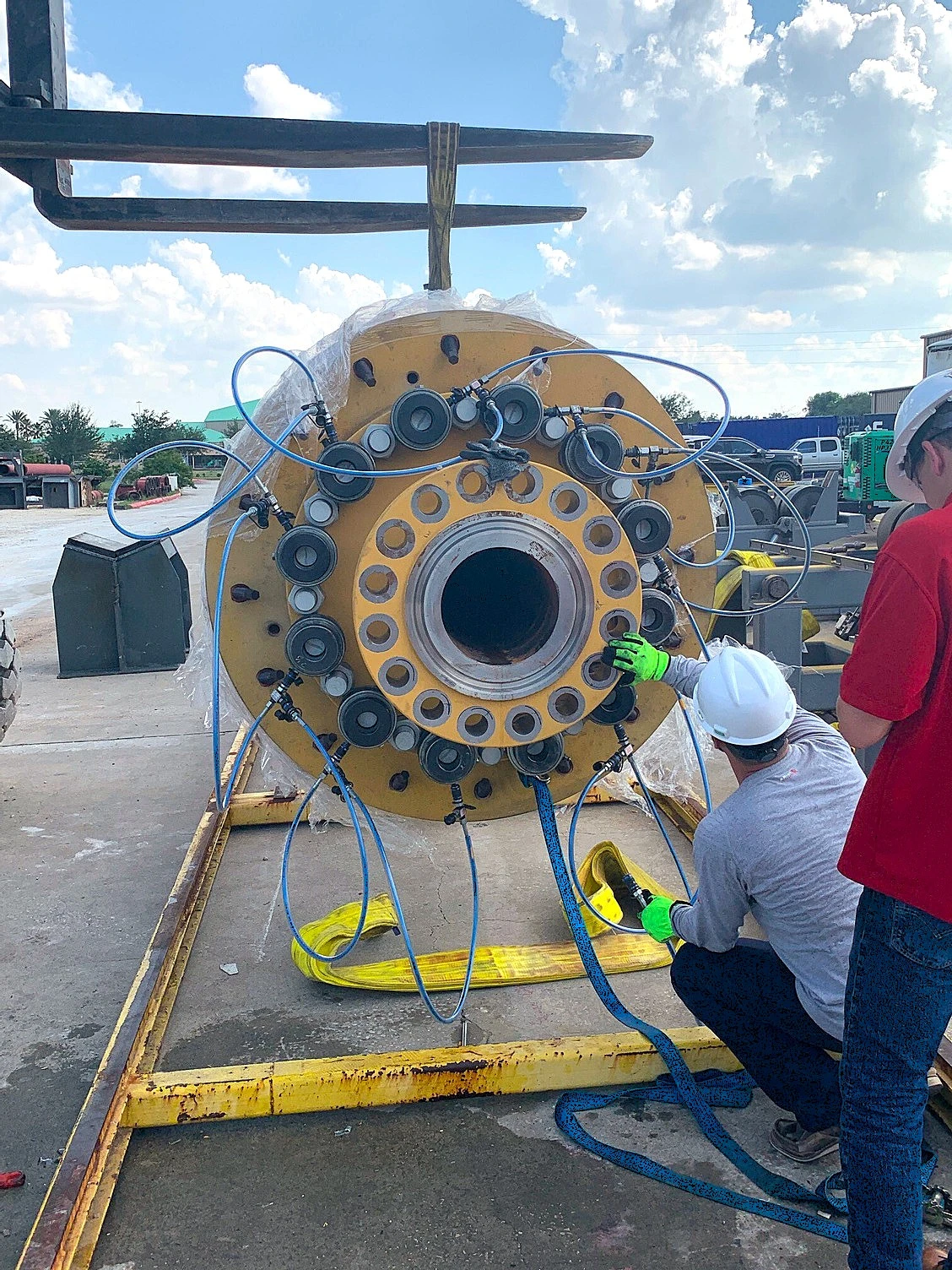
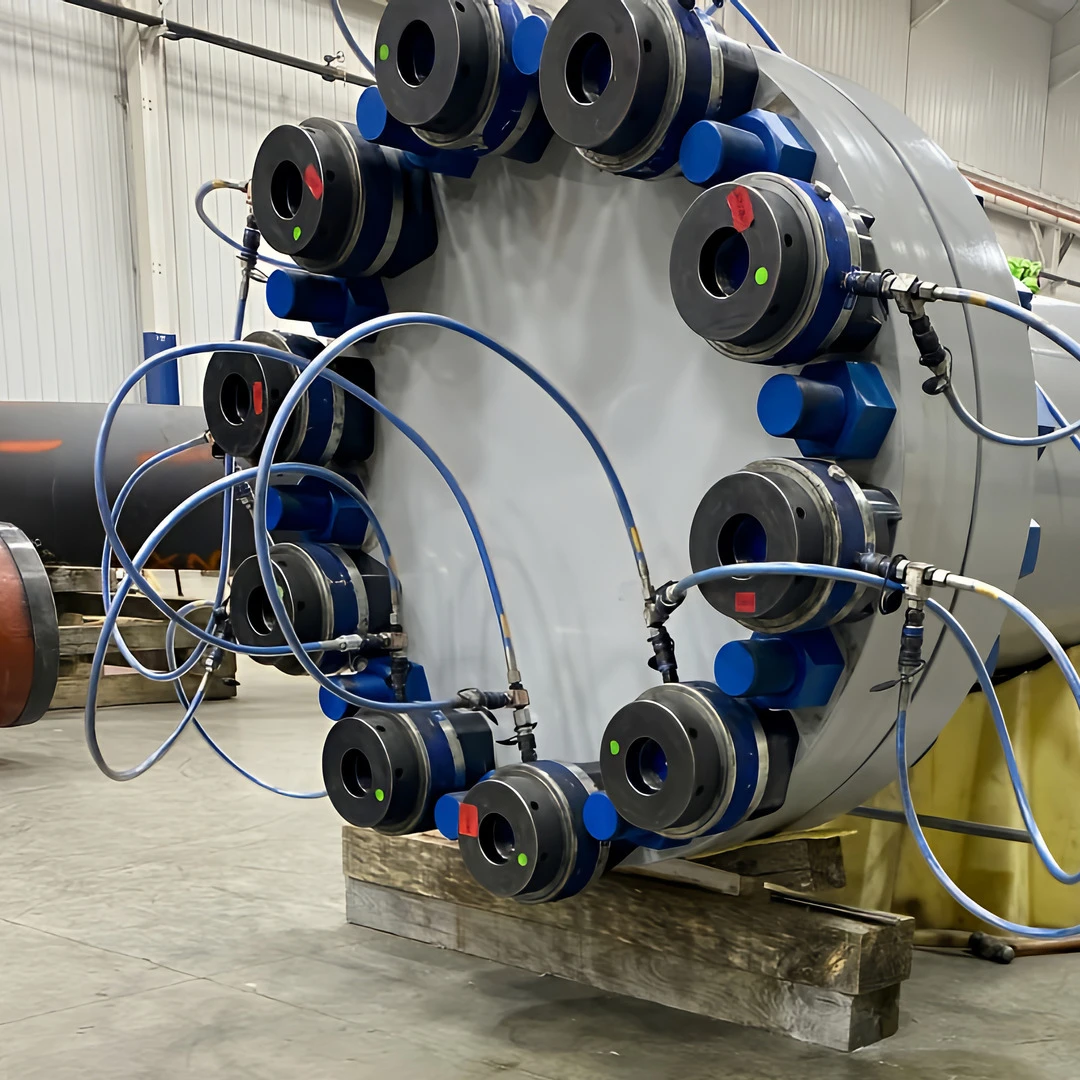
Bolt tensioning is the precise application of a controlled hydraulic force to stretch a stud axially, creating a secure and accurate clamping force that maintains joint integrity over time.
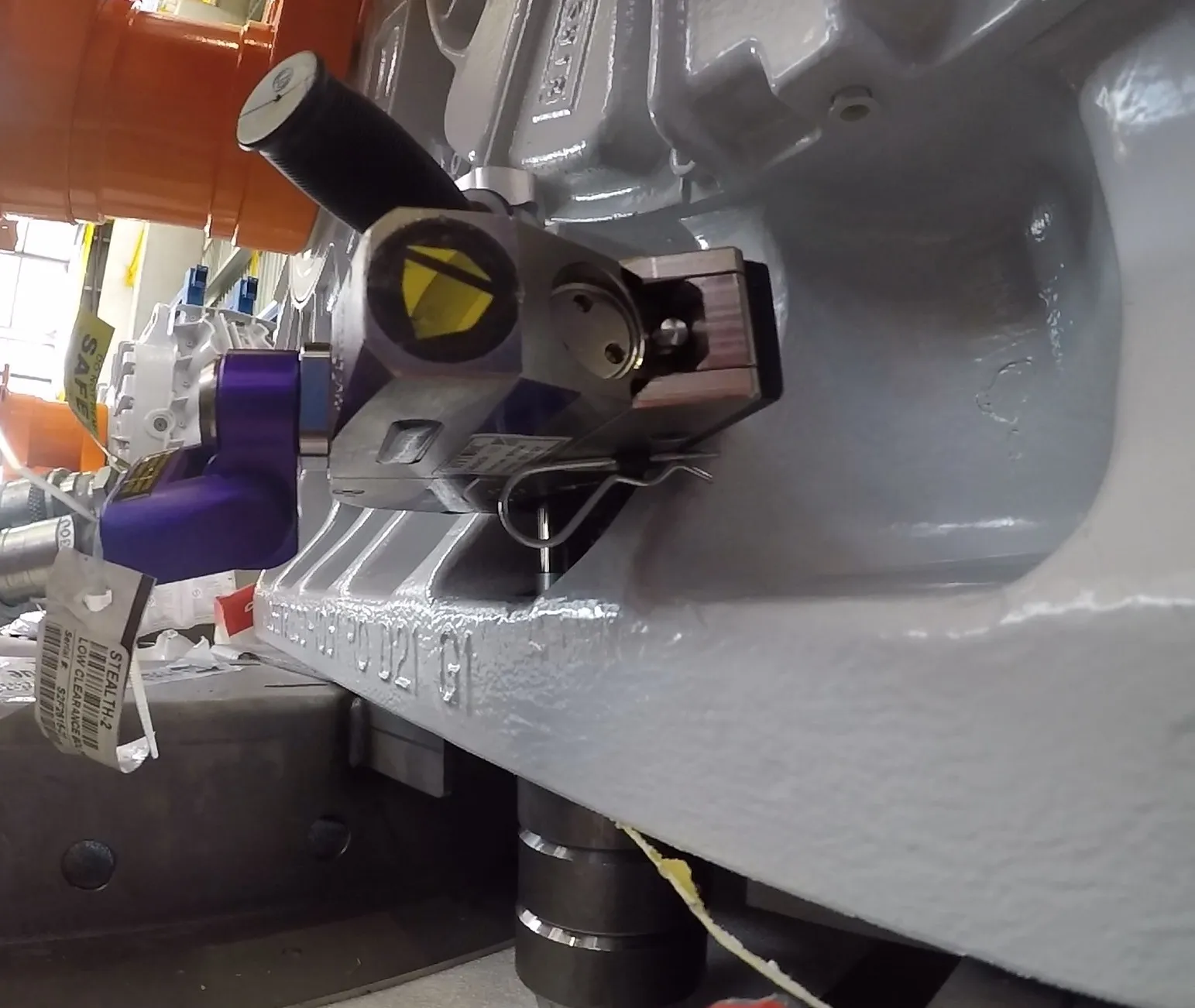
Unlike traditional torquing methods that must overcome frictional resistance, hydraulic tensioning applies direct axial load to the fastener. This method is key for securing large-diameter studs and critical joints, effectively helping eliminate the risk of joint separation, structural fatigue, or component damage caused by overtightening.
Three Major Benefits of Accurate Bolt Tensioning
- Enhanced Field Safety: Helps eliminate pinch points during installation and can prevent catastrophic joint failures or hazardous leaks in high-pressure environments.
- Consistent Bolt Load Accuracy: Achieves uniform elongation across multiple fasteners simultaneously, ensuring stable joint performance under extreme operational conditions.
- Substantial ROI and Cost Savings: Less structural wear and tear translates to fewer maintenance intervals, minimal component replacement costs, and extended asset longevity.
Industrial Bolt Tensioning Best Practices
Achieving optimal joint integrity requires strict adherence to precision bolting protocols:
- Utilize Hydraulic Tensioners: Use pressure-tested hydraulic tensioning tools to guarantee uniform, repeatable load application across the entire flange.
- Prioritize Operator Safety: Enforce rigorous site safety guidelines. Ensure all technicians stay clear of the active tensioning zone during operation and utilize proper PPE and handling equipment for heavy hydraulic tools.
- Calculate Material Elasticity: Account for the exact material properties, maximum tensile strength, yield strength, and dimensions of both the fasteners and the joint components. when determining target hydraulic pressure. For complex applications, utilizing advanced bolt tensioning systems like the HYTORC Nut can drastically cut maintenance windows while guaranteeing accurate residual bolt load.
While hydraulic tensioning has long been standard practice in offshore subsea operations and power generation sectors, it is rapidly gaining traction across the U.S. wind energy market, where precision and safety are absolute priorities.
Tighten Up Your Team’s Bolting Expertise at HYTORC Bolting Academy
Ensuring your crew achieves the exact target tension every time requires proper hands-on training. Enroll your team in the HYTORC Bolting Academy to access expert-led training courses. Our curriculum provides practical skills and safety certifications—aligned with ASME, OSHA, and TEEX standards—needed to keep your industrial operations safe, efficient, and profitable.
How HYTORC Can Help
Get in touch today to find the right tensioning solution for your applications.